A Line Held at Speed
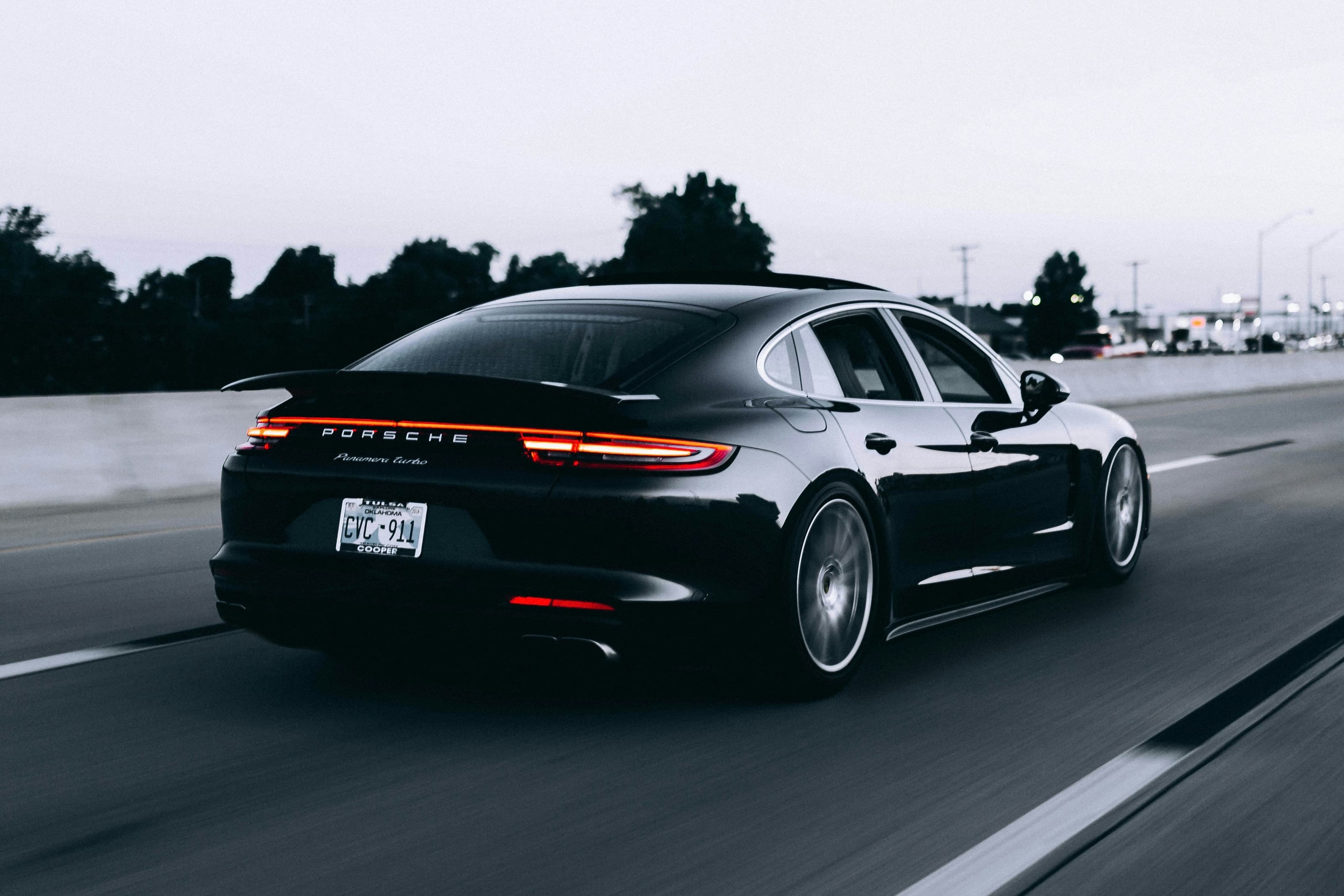
A line held at speed is not a flourish. It is the chassis answering a question the road has just asked, without drama and without apology. The question arrives as a patch of coarse tarmac, a camber that falls away, a bridge joint that interrupts rhythm. The answer is not a slide show for passengers; it is a small correction felt through the seat and the rim, then gone, as if the car prefers not to comment further.
The hands stay quiet when the car is telling the truth. Weight transfers, the note rises a fraction, the body settles into a camber that was drawn on a board long before this stretch of tarmac existed. Drivers who chase sensation often miss this calm. The car is not idle; it is occupied. Good geometry reads as confidence, not as a challenge to wrestle the wheel.
What remains after the straight is not a number. It is the memory of a machine that refused to wobble when the surface changed, and of a cabin finished well enough that the drive felt continuous. Numbers belong on screens that can be ignored. Continuity belongs in the body, which remembers whether the car asked for correction every kilometre or only when the road genuinely required it.
Grand tourers were named for this quality before electronics could mask bad habits. A long wheelbase helps, but only if the damping knows how to use it. Too soft and the car floats; too stiff and the line breaks over repeated imperfections. The promise is narrow: hold direction, hold composure, hold the occupants without isolating them from information they need to trust the machine on roads that were never designed for inspection laps.
Tyres are the honest interface. At speed, temperature and pressure change the conversation. A line held is often a tyre held in its window, managed by camber and toe decisions made months earlier in a workshop. Owners who track pressures and rotations are not obsessive; they are maintaining the conditions under which the chassis can keep its word when the road stops being polite.
Steering ratio is part of the narrative. A quick rack can feel vivid at parking speeds and nervous at motorway pace. Slower ratios ask for larger inputs but reward with stability when the surface turns ugly. The right choice depends on where the owner actually drives, not on where brochures imagine a closed mountain pass.
Aerodynamics enter quietly on these roads. Not wings and splits for display, but lift managed so the front does not lighten when the straight ends in a long bend. Stability at speed is another form of line-holding: the car should not change its mind because the air changed its mind first.
Inside, the cabin must not interrupt the line. A seat that allows micro-movement breaks concentration; a belt that pulls at the wrong moment breaks trust. Trim rattles are not cosmetic faults at this level; they are reminders that the structure and the fittings were not engineered as one object. Silence is part of speed.
Passengers experience the line differently. They feel yaw as a sway, hear wind as urgency. A well-held line translates to them as ease: glasses that do not slide, conversation that does not pause at every seam. The driver’s quiet hands are the passenger’s sense that the car knows where it is going even when the road disagrees, and that disagreement will be handled without theatre.
When the drive ends, the test is whether you can recall a single moment of fight. If not, the chassis kept its promise. If yes, the memory should be of a road that was genuinely bad, not of a car that required constant correction. A line held at speed is the absence of unnecessary story. That restraint is what separates engineering from theatre, and what makes a long straight feel like continuity rather than endurance.
Key Highlights
The Road’s Question
A chassis answers without drama when the surface shifts, through small corrections felt and then released.
Quiet Hands
The truth of the car is felt through the seat and rim before it can be explained in words.
A Continuous Cabin
Finish and engineering share the same unbroken line, so the drive feels like one gesture.