An Atlantic Passage
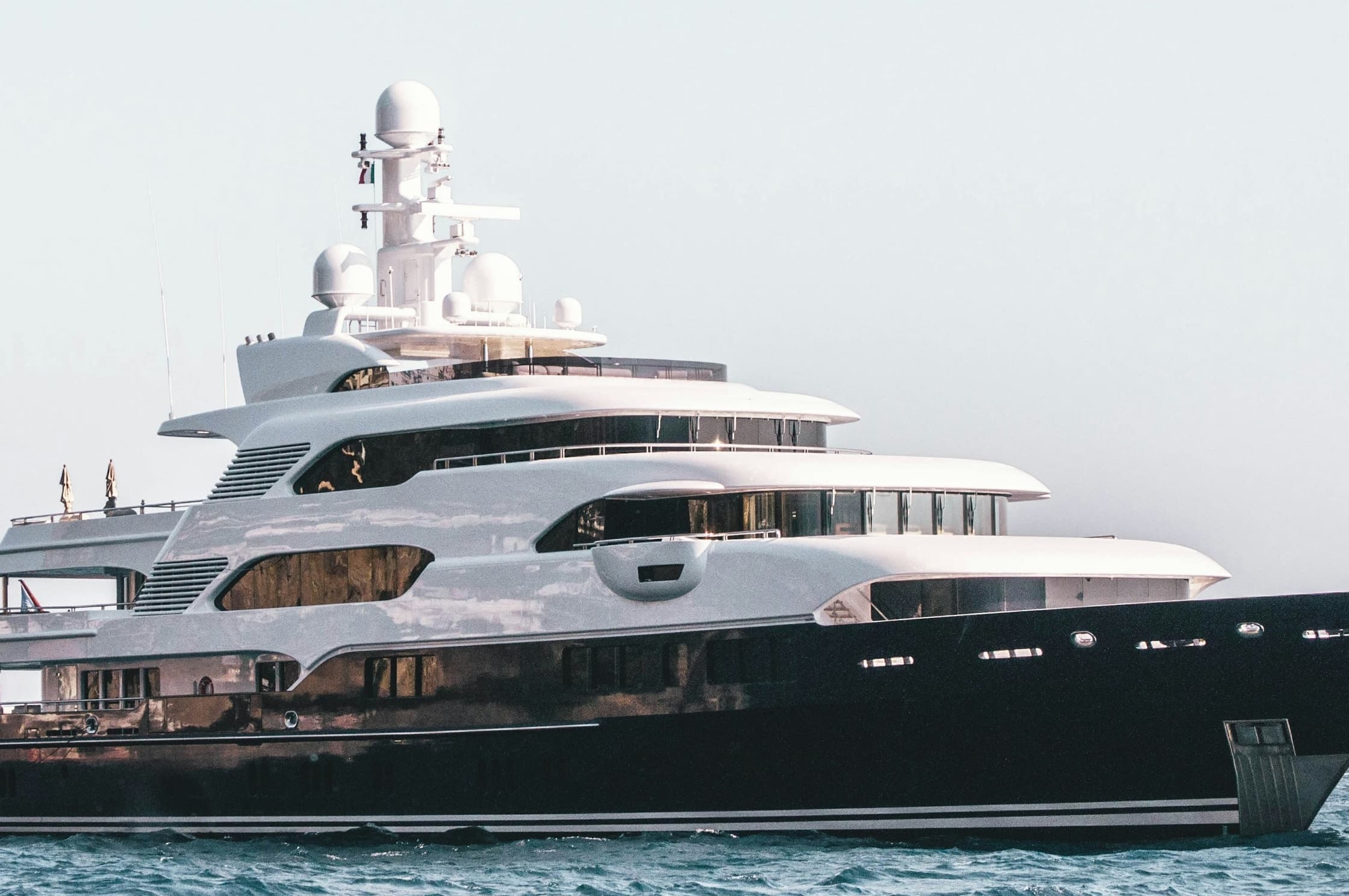
Open water has its own calendar. Days are counted by weather windows and by the soft rotation of watches, not by the names of ports printed in advance. The bow cuts a grey Atlantic that has not asked to be admired. Sky sits low. Spray finds the deck in irregular intervals, and the hull answers with a motion that becomes ordinary after the first night — less drama than rhythm, less destination than continuity.
A passage of this kind begins before departure, in the quiet work of deciding which window is honest. Forecasts are read more than once. Tanks and stores are checked without ceremony. The crew that will share the watches already knows who prefers the small hours and who is sharper at dusk. None of that appears on an itinerary meant for land. It is the architecture of the crossing: invisible when it works, unmistakable when it does not.
At sea the hours compress and stretch in the same breath. Dawn arrives as a change in the colour of the water rather than as an event. Midday may pass without a photograph because hands are busy and the horizon has refused a subject. Night brings a darker instrument panel and a clearer sense of who is awake for whom. The watch change is the passage's true ritual — a short exchange of course, wind, and anything the previous hours taught — then the deck belongs to the next pair and the previous pair goes below without needing applause.
Land falls away in memory faster than it falls away in miles. What replaces it is a smaller set of concerns: the set of the swell, the sound of a hatch that needs a second dog, the decision to reef before the gust rather than after. Luxury, if the word still applies, is the discipline of a boat that is ready rather than decorated. Lines are where they should be. The galley works in a seaway. Someone has already thought about which lights stay off so night vision survives. The same restraint that marks a quiet berth after arrival begins out here, days before any quay appears.
Weather windows close as well as open. A crossing may slow for a day that was not in the optimistic sketch. That slowing is not failure; it is the Atlantic stating its terms. Those who treat the ocean as a corridor between two dinner reservations will find the corridor uncooperative. Those who treat it as a climate to be met keep their patience and their watches clean. Conversation below decks thins to what matters. A book is read in fragments. Sleep comes in lengths the body invents rather than the clock assigns.
Landfall, when it finally shapes the horizon, arrives without the ceremony a brochure would prefer. A darker line. A smell of earth under the salt. A radio call that sounds suddenly domestic. The engines may stay in their rhythm for another hour while the approach is judged. Then the water changes colour near the coast, and the motion softens in a way the body notices before the mind names it. The first glass ashore — the kind of pause held in the first glass after a long day — belongs to that recognition: not celebration so much as the quiet admission that the watches can stop rotating for a night.
What the passage keeps is the memory of grey water under a low sky, of a bow that did its work without asking for an audience, and of days that refused to be counted by ports. Weather windows and watch changes are a truer ledger. They leave you with a different sense of distance — not how far you went, but how carefully the hours were held while the Atlantic decided what to allow. Later, on land, the same ocean will be discussed as scenery. You will know it as a room you lived in for a while, with its own clock, and no need to perform.
In the morning after arrival the yacht may look ordinary against a familiar quay. Chrome will catch sun. Voices will return with their lists. That is expected. What remains is the knowledge that the best part of the crossing was never the landfall photograph. It was the stretch when the calendar had been replaced by weather and watch, and the hull kept its conversation with open water without requiring anyone ashore to understand.
Key Highlights
Weather Windows
The crossing is timed to what the Atlantic allows, not to a list of ports decided inland.
The Watch Change
A short exchange of course and wind is the ritual that keeps the passage honest.
Landfall Without Ceremony
The coast arrives as smell and softer motion — recognition before any speech.