The Best Places to Own Property in Europe
A great address in Europe is still a sentence people recognise. Say a street in a capital, a harbour on a short coast, a hill town above a plain — and something immediate forms in the listener’s mind: stone, season, a way of living that has not been fully given over to through-traffic. The recognition is not nostalgia. It is continuity.
The list is not a ranking. It is a reading of places where the light, the stone, and the habit of living privately have held. Some cities survived because they never made their best rooms public. Some coasts survived because access remained difficult long enough for character to settle. What they share is that the name still carries weight when spoken quietly, without explanation.
Capitals matter when they still contain enclaves — quarters where scale drops, facades stay human, and the sound of the city softens at a certain hour. Not every capital qualifies. The ones that do have kept a boundary between the capital of business and the capital of residence, even when the map has long since merged them. An address there is a bet on that boundary holding.
Coasts matter when season is part of the grammar. A place that is alive for twelve weeks and honest for the rest of the year often preserves a clarity that year-round resorts lose. Stone heats and cools. Shutters close. The sea remains. Addresses on such coasts are not about constant animation; they are about returning when the light is right and the crowds have thinned to people who belong there.
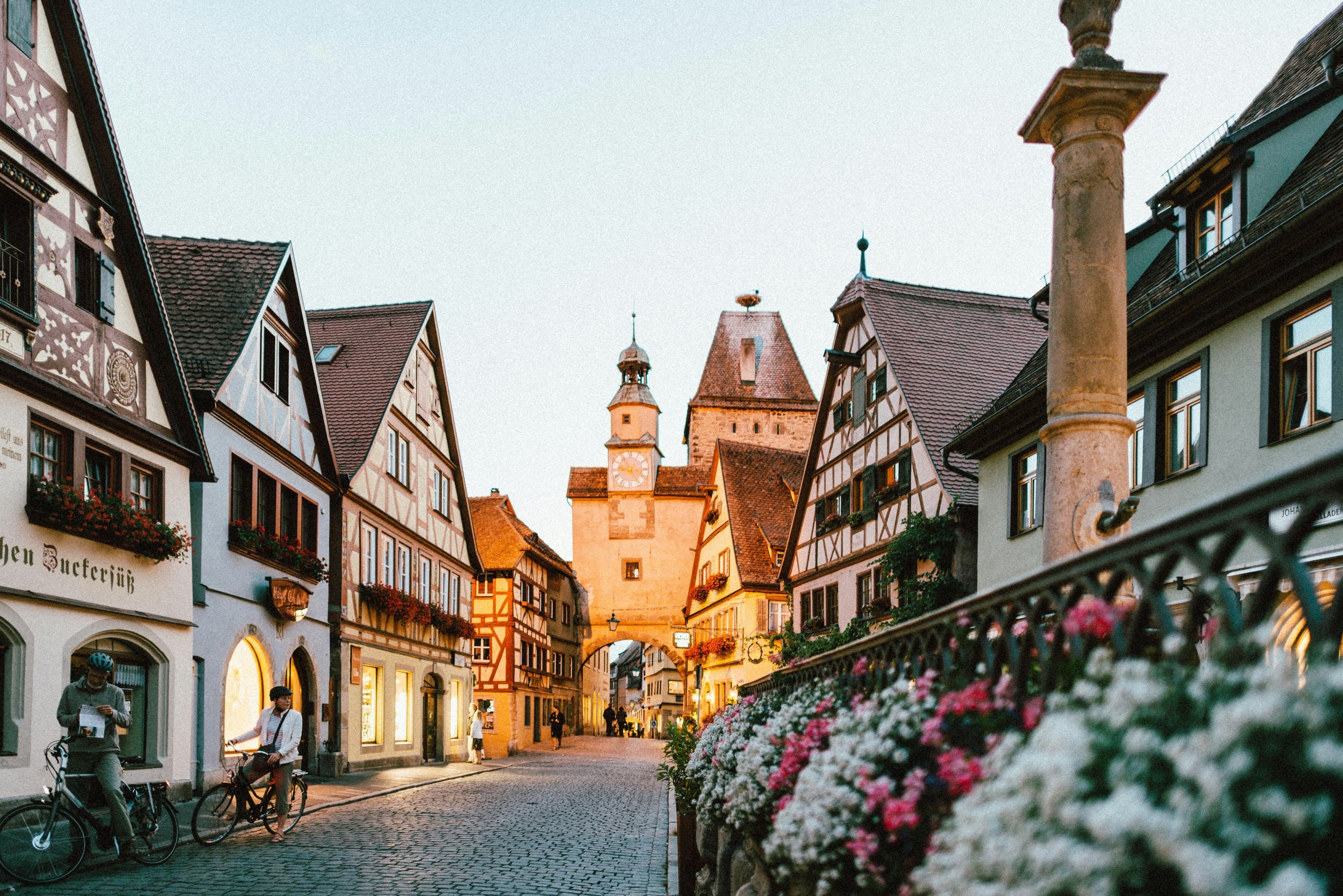
Inland towns reward a different patience. No harbour, no skyline — instead, a market square, a ridge line, a train that still arrives at a human pace. Privacy is architectural: thick walls, courtyards, the sense that life happens behind doors rather than along promenades. These addresses speak to people who want Europe’s older rhythm without pretending to live in a postcard every day of the year.
Legal and civic stability belong in any honest reading, though they are rarely the first thing mentioned at dinner. Places where contracts mean what they say, where neighbours expect the same maintenance you do, where heritage rules protect character rather than freeze it — these are the cities and coasts that remain on the list when fashions change. Reputation outlasts brochures.
Access shapes exclusivity as much as any brochure ever could — and often more honestly. A coast reached by a single road, a city block without a shortcut, an island with a limited ferry — geography does what gates cannot. The best addresses often sit inside that geography by accident of history, then defend it by habit.
Language belongs in the reading as well. An address that requires translation at every introduction rarely ages well in conversation. The places that endure on lists like this one tend to have names that travel — not as brands, but as shorthand for a way of living that listeners already half understand before the details begin.
Culture is the final filter. Restaurants that are not only for visitors. Schools and clinics that make a week plausible, not only a weekend. A local life that continues when the season turns. Without that, an address becomes a storage problem with a view. With it, the property participates in a place rather than hovering above it.
Some are harbours. Some are inland and old. All of them still mean something when the name is said aloud — not as a boast, but as orientation. Europe has many beautiful corners. The ones that belong on this kind of list are the ones where stone, season, and private habit still agree, and where a great address remains a sentence that needs no footnote — only the quiet assumption that the listener already knows why it matters.
Key Highlights
A Name That Holds
Certain streets and coasts are recognised in a single phrase, before anyone describes the view or the floor plan.
Stone and Season
Short seasons and old stone remain part of what the address means, not merely what surrounds it.
Private by Habit
The best rooms were never turned toward through-traffic, and the city still respects that boundary.