Iconic Villas on the French Riviera
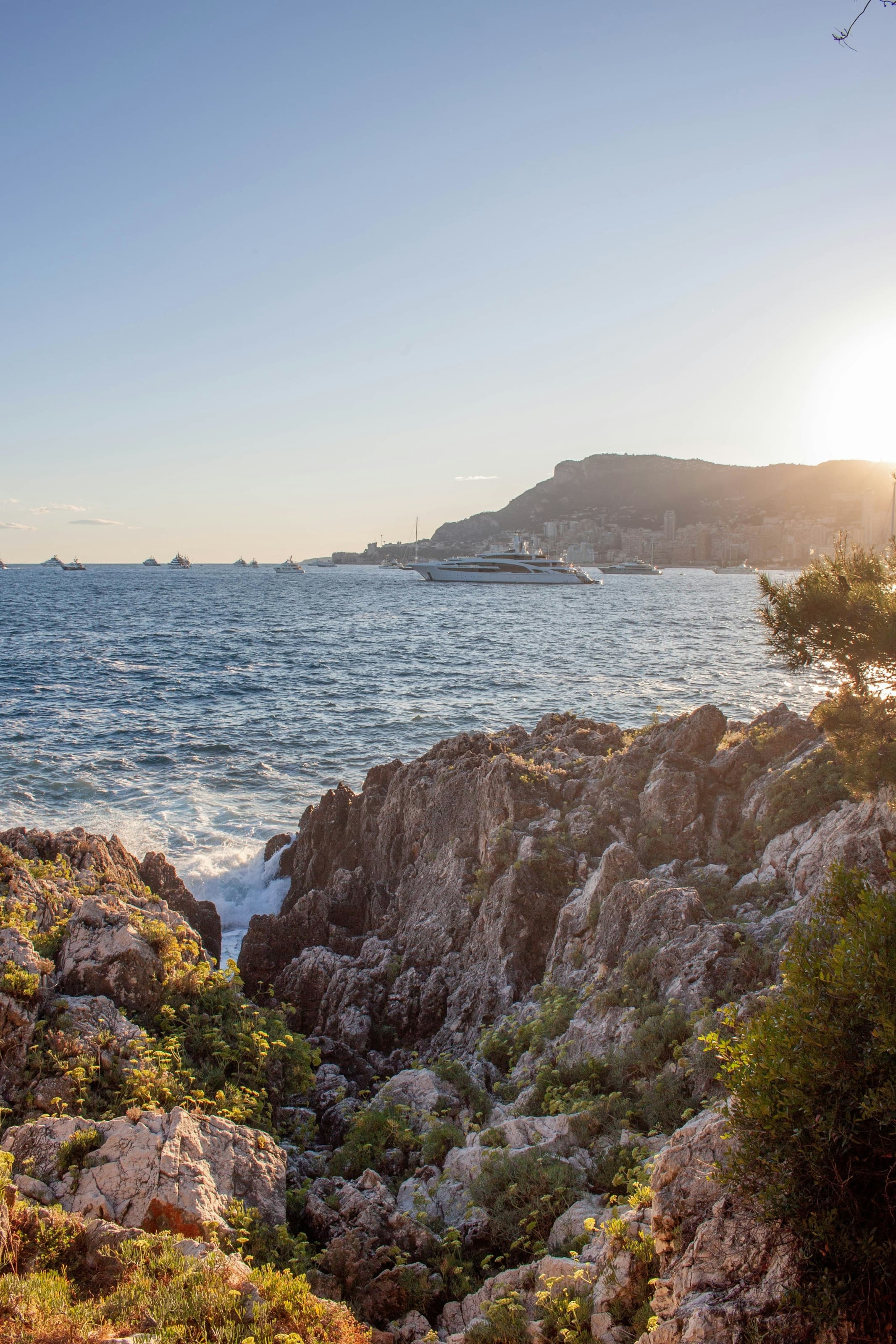
The coast has been photographed into a cliché, and still the houses that defined it are there: set above the road, turned toward the water, stubborn about their trees. Postcards flatten the gradient between rock and sea; in person, the villas sit in that gradient as if they were always part of the geology, not an addition to it.
The ones that still matter were not built for a season of visitors. They were built to be lived in when the light goes long and the shore road is only a sound. Their rooms assume a calendar measured in weeks, not weekends. Terraces face west because dinner there is a habit, not a photograph. The kitchen is sized for staff who know where the olive oil lives.
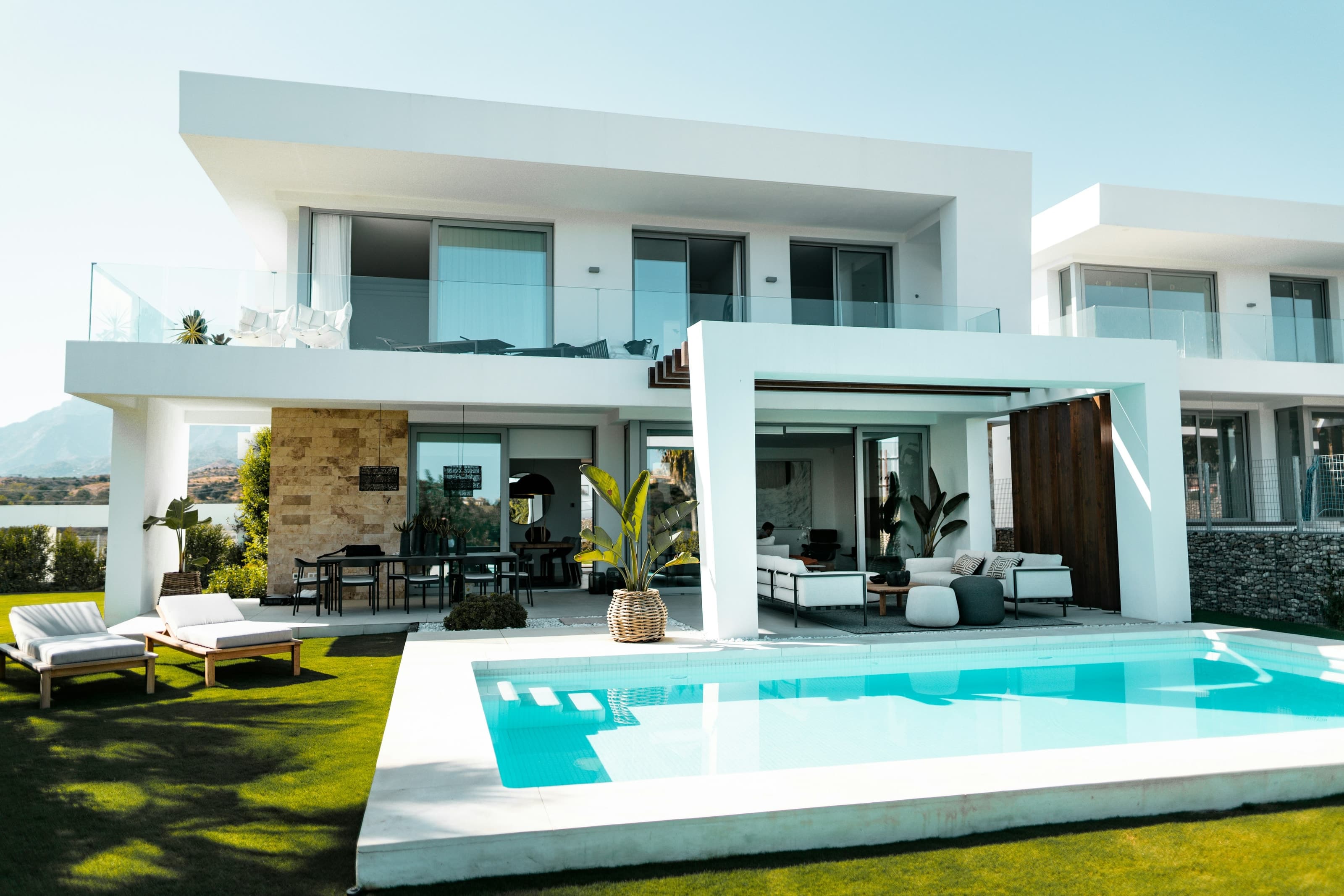
Iconic, here, means a silhouette you can name from the water. From a tender or a slow pass along the bay, certain rooflines repeat in memory: a pale cube above Menton, a villa with a pergola that reads as a second horizon, a house whose colour was chosen once and never repainted because the fade became part of the name.
What separates the enduring from the merely expensive is restraint in height and aggression in planting. The best houses do not compete with the cliff; they sit slightly below the ridge, as if deferring to the pine that was there first. Walls are thick enough that the tramontane is a muffled argument, not a daily crisis. Shutters are not decorative; they are how August is survived.
Inside, the logic is maritime even when the décor is continental. Stone underfoot where sand might be tracked. Rooms that can be closed off when the house is full, opened when it is not. A guest wing that has its own stair so privacy remains a fact, not a promise in a brochure.
The gardens are the other architecture. Olive terraces, agapanthus held back from the view, paths that switchback because someone understood that arrival should take time. A pool is often small and far from the house, placed where the sea already offers the larger blue. The iconic villas treat water as a neighbour, not a feature to be duplicated.
Many of these houses carry names that outlive their owners. That is not nostalgia; it is evidence of a plan that held. Materials were chosen for how they grey, not how they gleam. Roofs were pitched for rain that comes hard in October. Shutters were sized for wind that arrives without warning from the hills. The houses that still define the coast were pessimistic about maintenance and optimistic about shade.
Today, the shore road is louder and the photographs more numerous. Still, at certain hours, the villas perform the same trick: they turn their backs on traffic and their faces to a sea that has not changed its colour scheme. The iconic ones are not the largest. They are the ones whose silhouette you would draw from memory after a single crossing of the bay.
To live in such a house is to accept a contract with visibility. You are seen from the water; you learn to inhabit that sightline with the same calm the house projects. The best owners do not floodlight the facade. They let the windows go amber at night, one room at a time, until the house looks inhabited rather than displayed, and the bay reads warmth instead of spectacle.
That is why these villas remain reference points while others are absorbed into the general glamour of the coast. They were built for a life that includes silence, heat, and the long evening when the road noise thins and the sea becomes the only movement in view. Generations of owners have edited the interiors while leaving the silhouette untouched, which is how a house keeps its name. Iconic is not a marketing word here. It is what you call a house the bay still recognises.
Key Highlights
Above the Road
The houses that lasted were turned to the water, not the traffic, and built to defer to the cliff rather than dominate it.
Trees Kept
The silhouette still includes what was planted first; pines and olives remain part of the name you can point to from the sea.
Named from the Sea
A house earns the coast when you can draw its roofline from memory after a single crossing of the bay.