Leather That Travels Quietly
Leather that travels well does not arrive looking new. It arrives looking ready: a case whose corners have already taken a few honest knocks, a strap that has learned the wrist, a surface that has stopped apologising for being used. The point of good travel leather is not that it resists the journey. It is that the journey becomes part of the finish, and that the finish was planned for that partnership from the first cut.
At a gate, loud leather is a kind of speech. Embossing that catches the strip light, hardware that flashes with every turn of the handle, a colour that refuses to sit among other bags. Quiet leather does the opposite work. It stays in the hand rather than in the room. The grain is close. The edges are dyed, not painted into a hard line. The zipper pulls are metal that has been left matte enough to disappear against a coat sleeve. You notice the object only when you need it — when the case opens cleanly, when the strap does not twist, when the hinge of a clasp still answers after a winter of salt air.
Age as finish is not neglect. It is a decision about how the hide was tanned, how the stitch was tensioned, and how much polish was withheld. Over-polished leather photographs well and fails early: it shows every crease as damage. Under-finished leather looks unfinished forever. The middle ground is a surface that can take oil from the hand, dust from a quay, and the slight compression of being packed beside a jacket, then recover without looking repaired. That recovery is what separates travel leather from display leather. One was made to leave the house. The other was made to be admired under a lamp.
A strap that remembers the wrist is a small education in time. New leather sits stiff and proud. After a season it settles into a curve that belongs to one person. The buckle holes darken unevenly. The underside softens where the pulse is. This is not romance; it is material honesty. The same honesty shows on a travel case: the side that faces the aisle scuffs first, the handle darkens where fingers always land, the lining takes the faint imprint of whatever is carried most often. Those marks are not stories to perform. They are evidence that the object has a life outside the cupboard.
Hardware decides whether leather stays quiet. Bright chrome against soft brown is a conversation the owner did not ask for. Brushed brass, darkened steel, or horn set into a clasp keep the eye on the grain rather than on the fixture. The best fittings feel slightly warm, as if they have already been held. They also fail more slowly: a catch that opens with two fingers after years of use is worth more than a bright lock that seizes after one humid crossing. Quiet travel is mechanical as much as visual.
Colour belongs to the same discipline. Black that is truly black can look severe in daylight and anonymous at night, which is sometimes exactly what is wanted. Browns that lean toward olive or wine age into something personal without becoming costume. Very pale leather asks for care that travel rarely grants; it becomes a project rather than a companion. The colour that travels quietly is the one that still looks intentional after rain, after a dusty platform, after being set down on a stone step while someone finds a key.
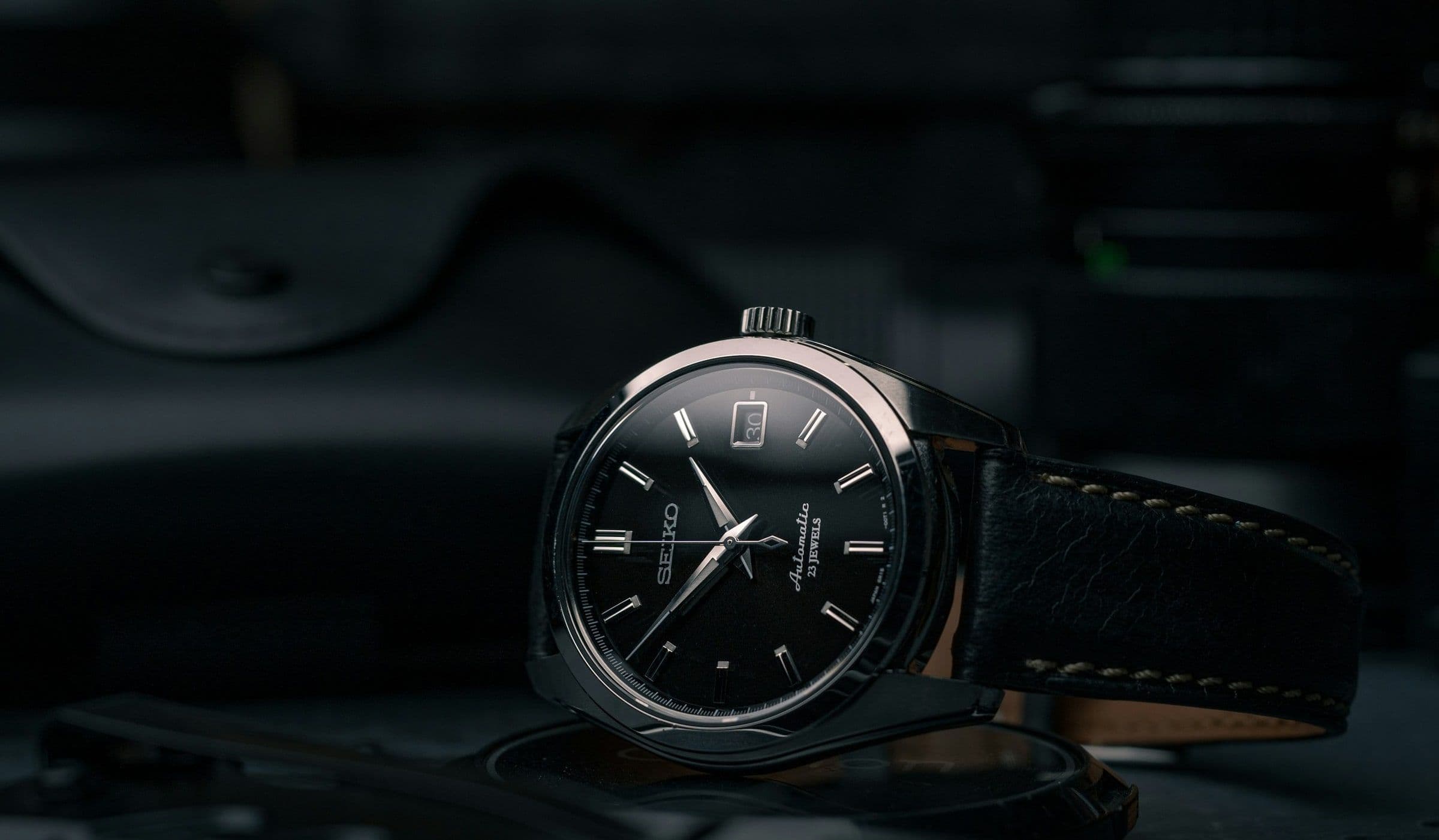
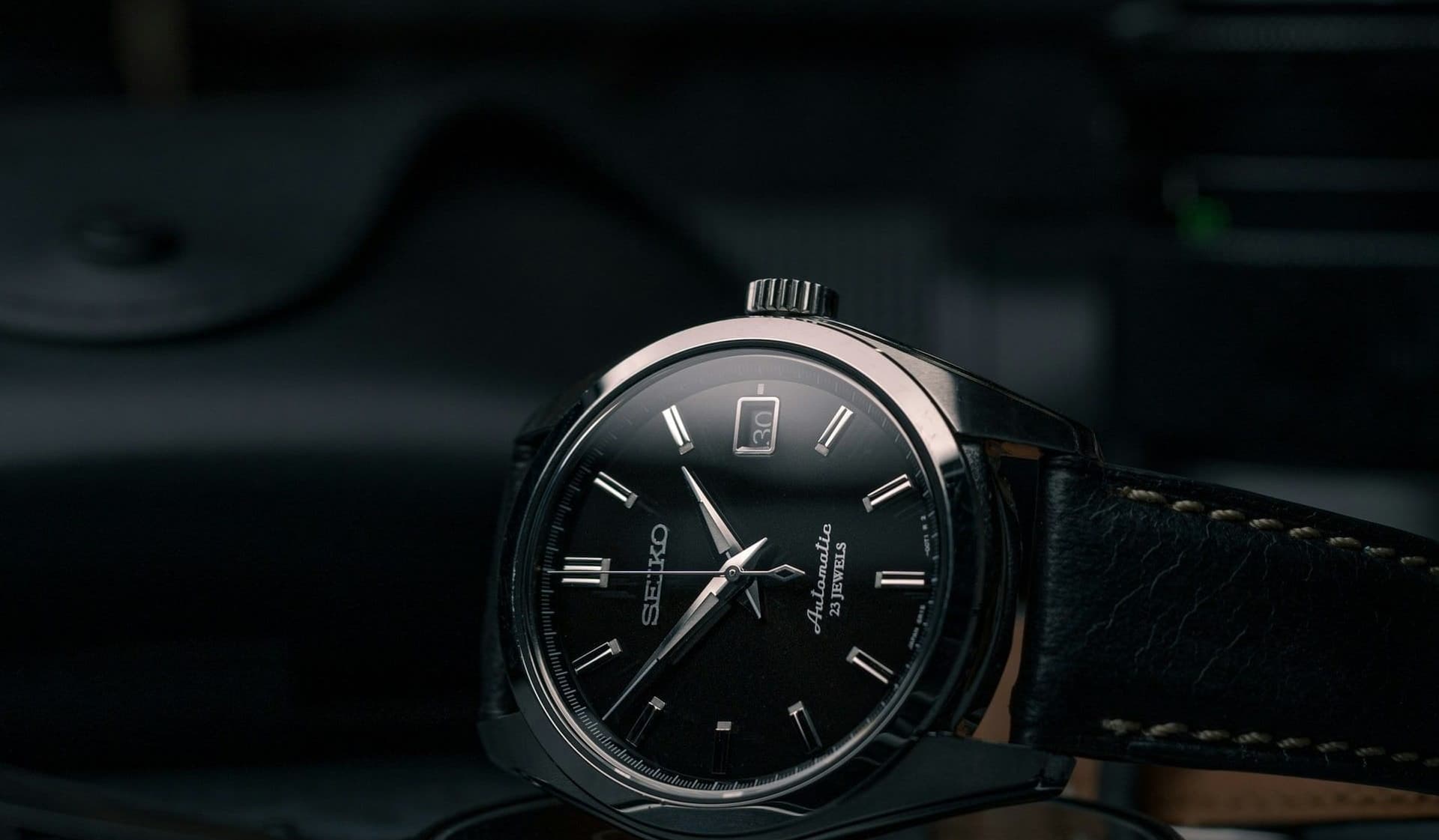
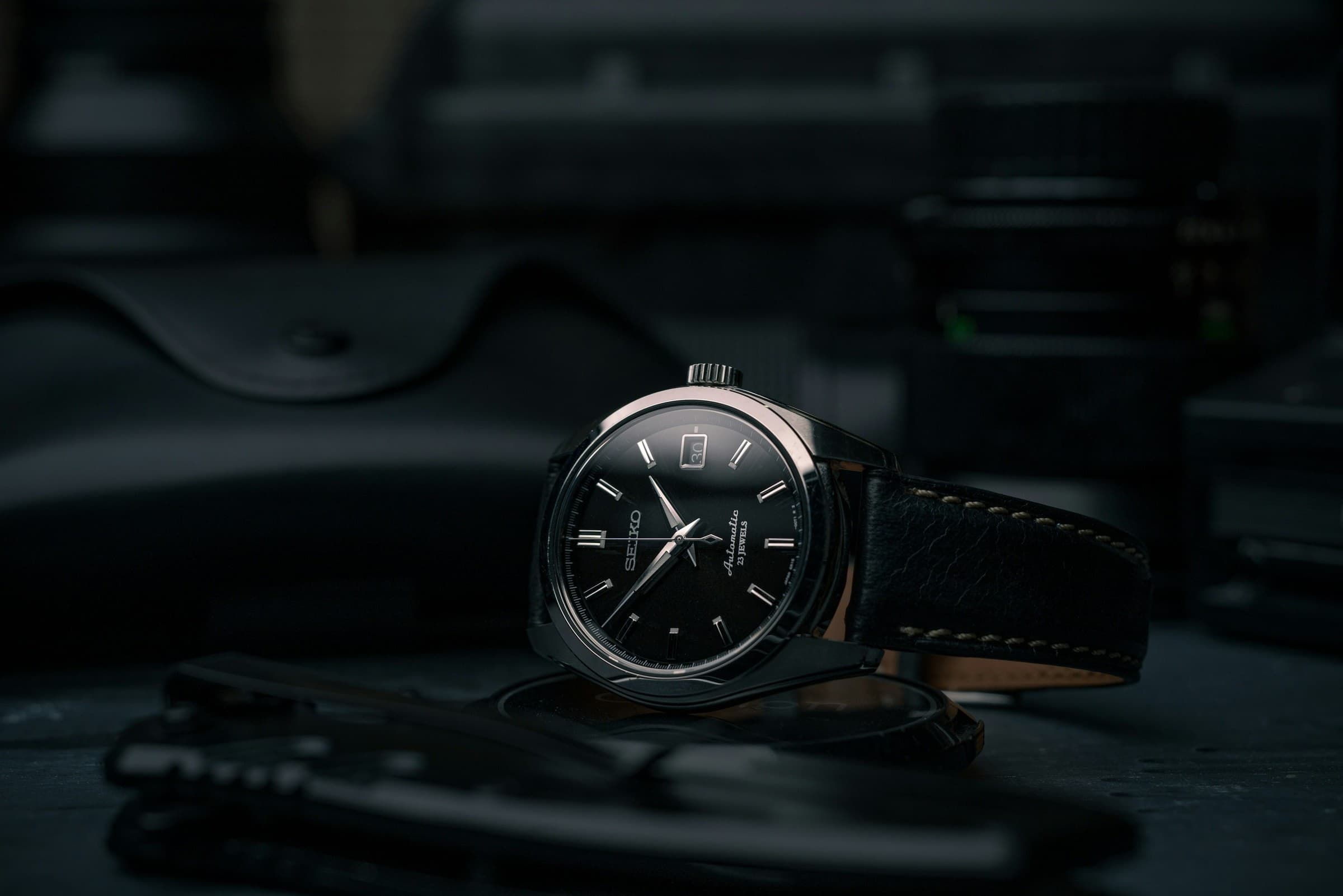
There is a kinship here with dials that refuse to shout when the room goes dim — the same restraint that lets metal against the dark read at arm’s length without glare. Leather and metal both fail when they are finished for photographs rather than for hours of ordinary light. A strap beside a calm dial, a case beside a coat that does not compete: the composition is accidental only if the materials were never considered together.
Packing reveals the architecture. A case that opens flat, with pockets that hold their shape when empty, teaches the hand where things live. Nothing rattles. Nothing fights the zipper. Documents sit apart from shoes without needing a lecture. The leather itself is thick enough to protect, thin enough not to punish the shoulder. That balance is harder than it sounds. Too much structure and the case becomes luggage theatre; too little and the contents decide the silhouette. Quiet travel leather keeps a silhouette that looks the same whether the case is full or nearly empty.
On a quay at dusk, where the quiet berth keeps its own clock, leather is judged by how little it asks of the hour. It is set down, opened, closed. No one comments on it because there is nothing to comment on. The crew has seen better and worse. The material either works or it does not. When it works, it disappears into the evening’s other small efficiencies: a lamp left off, a line already made fast, a path from water to cabin that never crosses a crowd.
What remains after years is a surface that refuses to look purchased yesterday. That refusal is the luxury. Not the logo withheld — though the logo should be withheld — but the patience built into the hide: patience for weather, for handling, for the long sequence of ordinary journeys that never make a photograph and somehow still leave a finish worth keeping.
Key Highlights
Age as Finish
The hide was planned to take the journey into its surface, not to look unused after every trip.
Gate Without Brand
Quiet leather stays in the hand at the strip light, where embossing and flash only announce anxiety.
Strap That Remembers
The curve, the darkened holes, the soft underside — evidence of one wrist, not of a display case.