
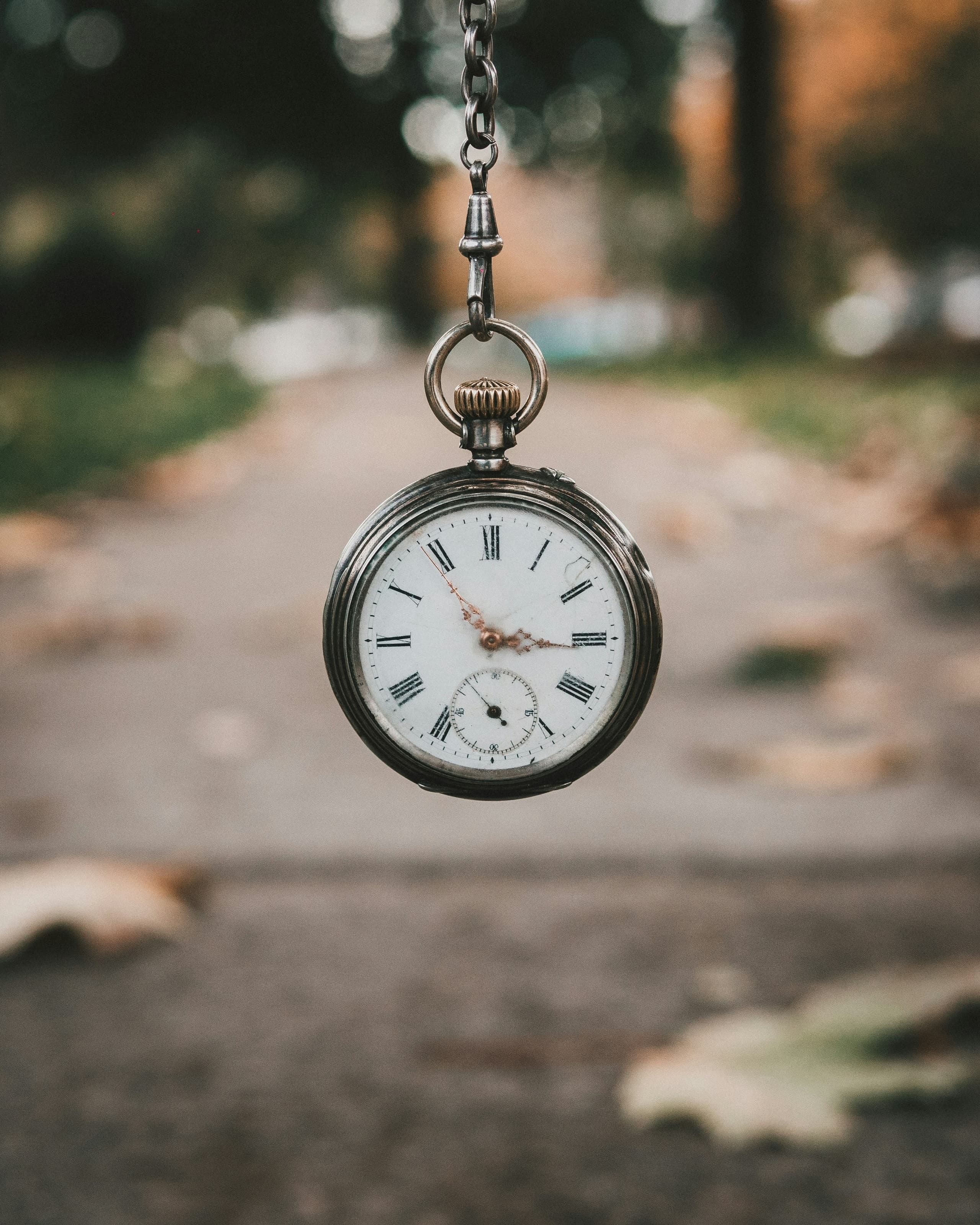
UHNW collecting rarely stays in one cabinet. The same patience that finishes a complication often finishes a garage: metal against the dark, a line held at speed, a wrist that remembers the road. Intelligence here is cross-reading Style and Motor without forcing a product pairing.
Horology signals that travel well into cars: finish that only resolves at an angle (anatomy of a complication), lume as a second metal (metal against the dark), and night drives that test both dial and chassis (night drive on the wrist). Collectors who care about service intervals on a movement usually care about them on a engine — both are arguments against disposable ownership.
Conversely, road culture that refuses spectacle strengthens watch taste that refuses retail voice. Soft tailoring for travel, leather that does not announce, a cuff that clears a chronograph — these are the same discipline applied to cloth and case.
For the journal, the practical note is editorial: Intelligence pieces can bridge sections when the thesis is use and finish, not a shopping list. The reader already owns both worlds; the brief is to name the shared grammar.
Key Highlights
Shared finish
Angles, patience, and service culture link complications to serious cars.
Private use
Night drives and desk light both reward objects made for the hand, not the feed.
Cross-section brief
Style and Motor reinforce each other when the thesis stays editorial.
Explore more
Style
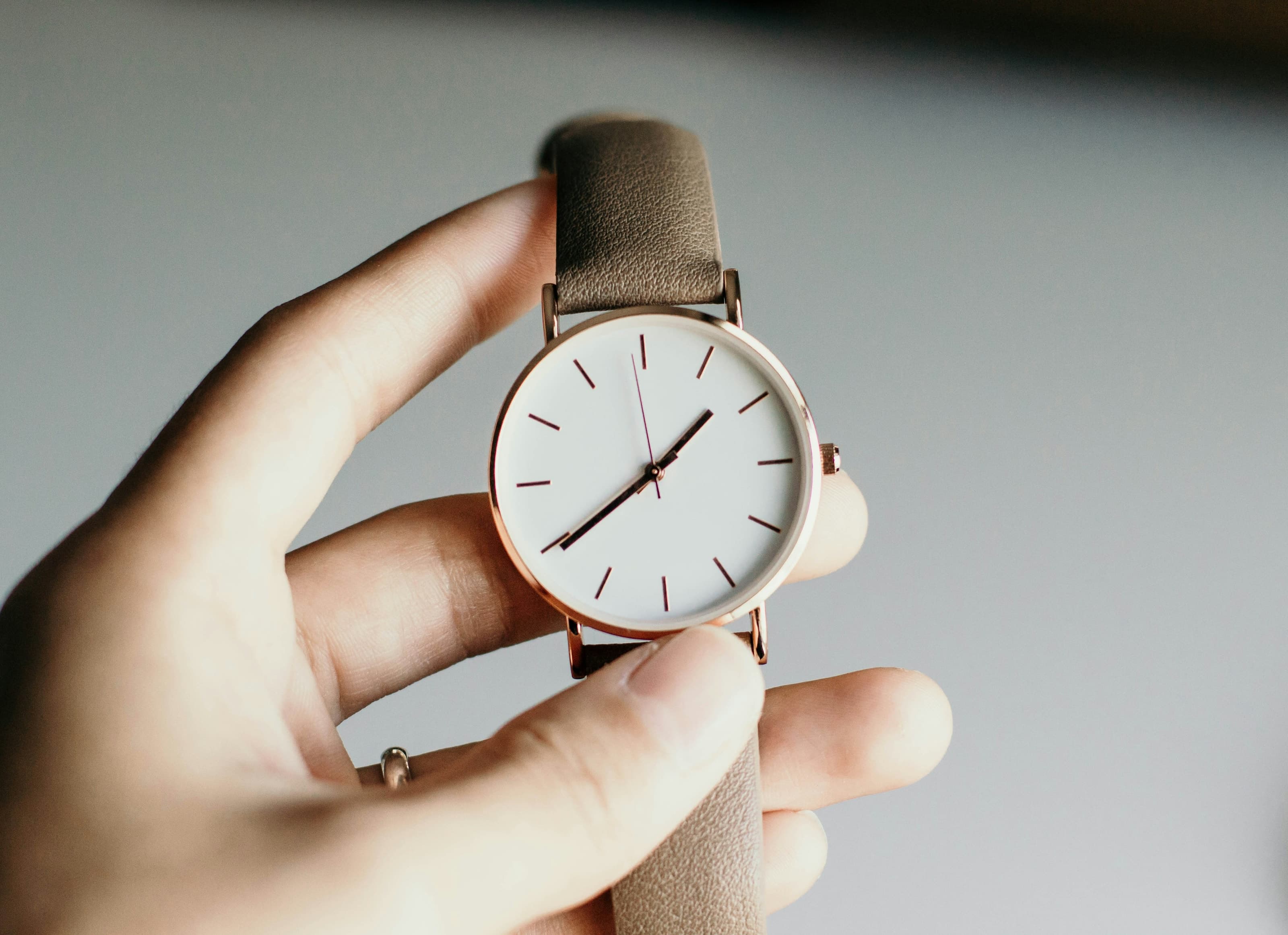
Anatomy of a Complication
A complication read as craft: the parts that earn their place on the dial, and the ones that stay out of the way.
Motor
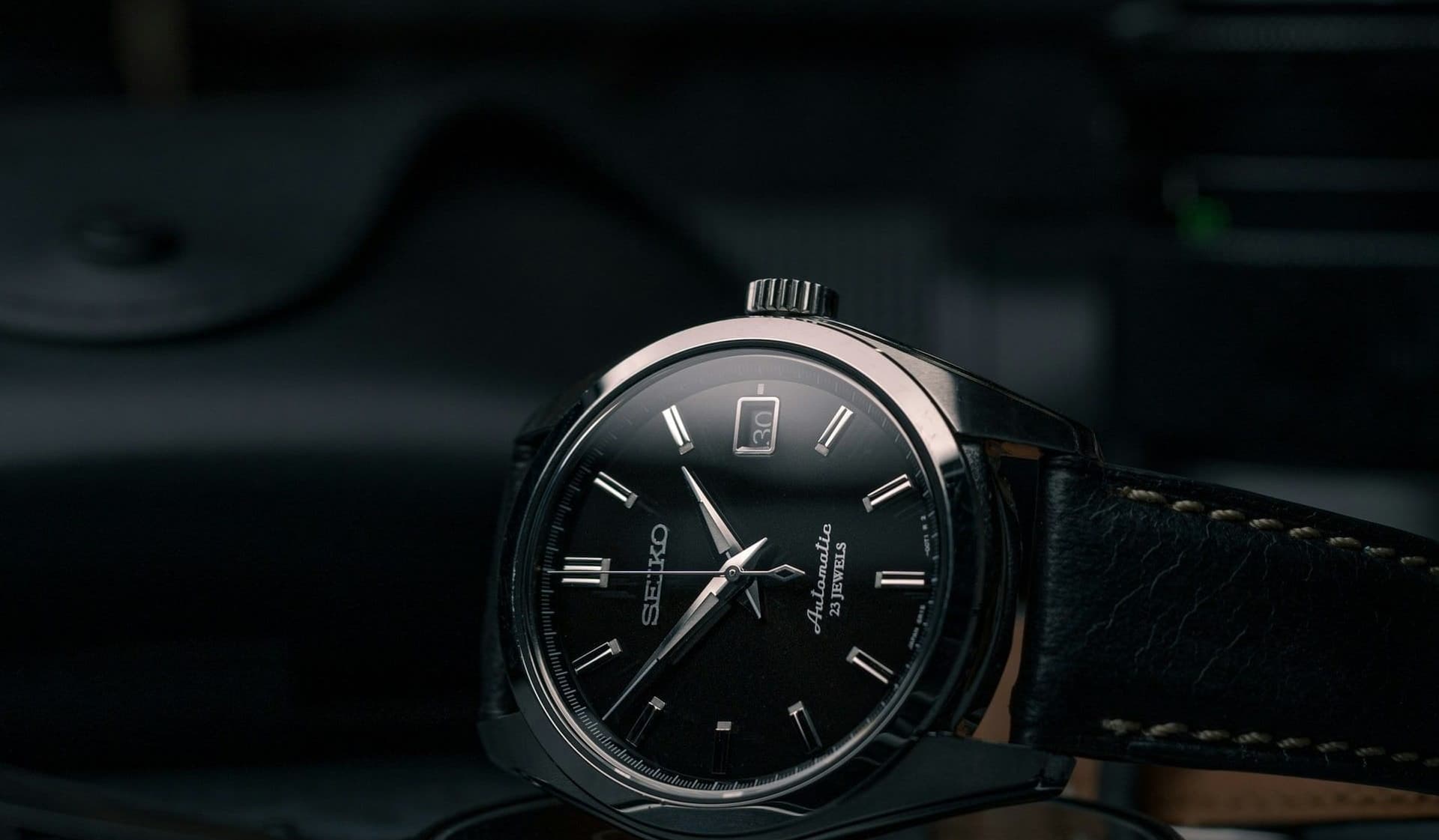
Night Drive on the Wrist
A dial that stays readable when the cabin is dark, and a road that asks for less light than the city.
Motor
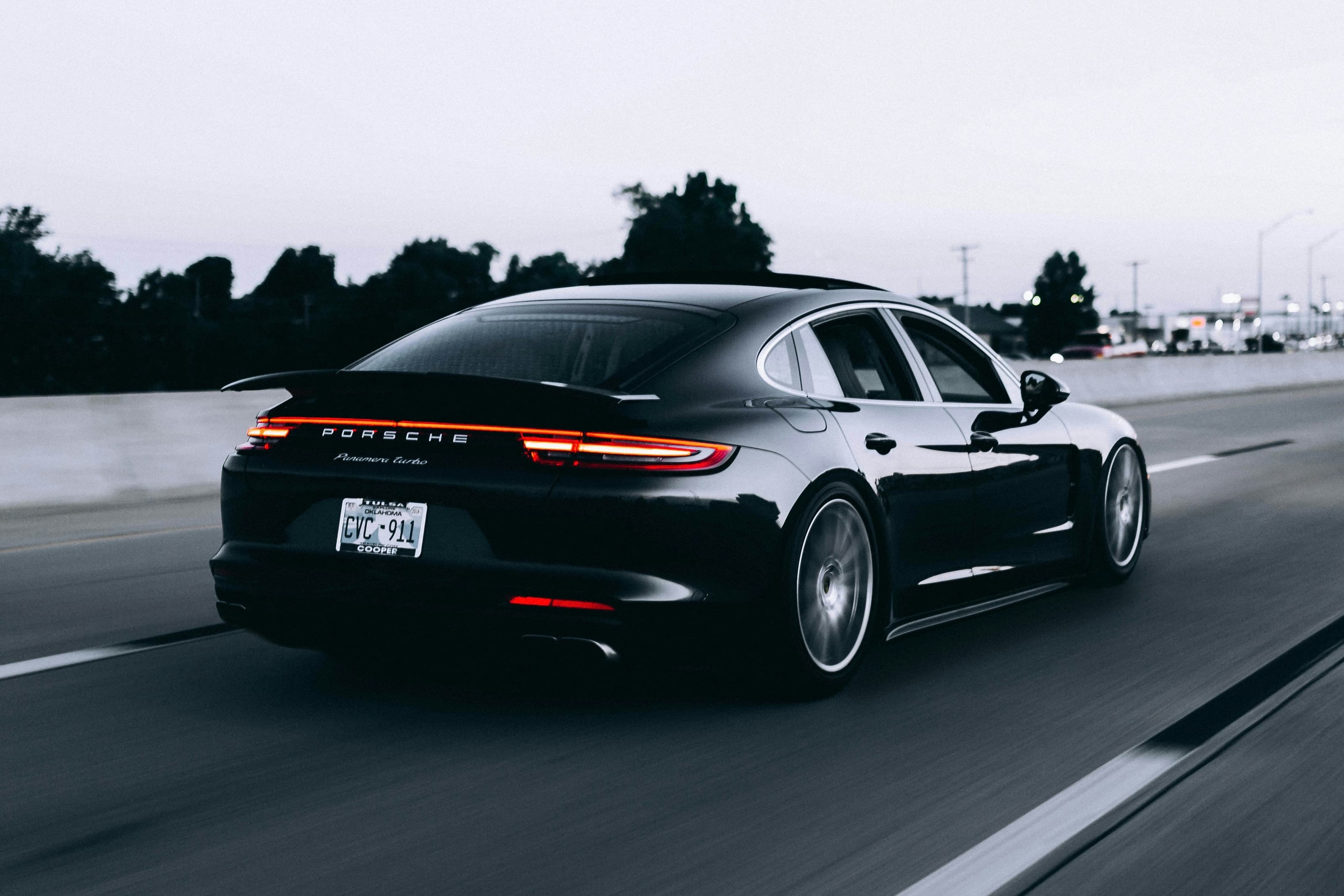
Engineering Desire
Desire built into line and weight — felt at speed, spoken without a specifications sheet.