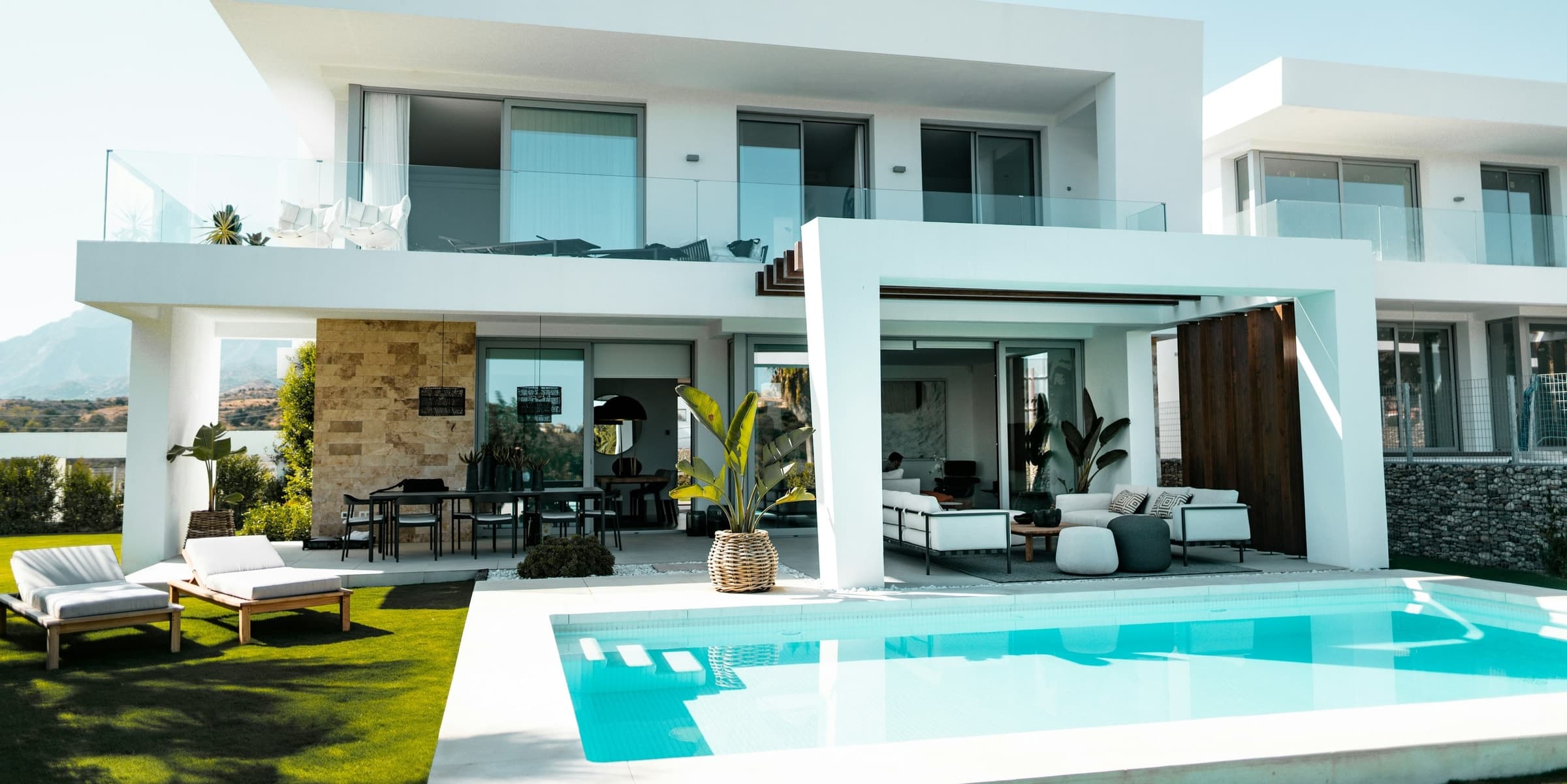
Chalet Hours Above the Tree Line
Shutters open onto a brightness the room has been holding back all night. Snow throws light upward against the timber. The valley below is still a white plan rather than a schedule — roofs, a dark line of trees further down, a sky that has not yet decided on weather. Inside, the wood is warm from the stove or from the simple fact of closed doors. Cold stays outside where it belongs. For a stretch of morning the chalet asks nothing except that you meet this light without hurry.
Above the tree line the silence has a different weight. Engines are farther away. Wind finds the eaves and then moves on. A bird, if there is one, sounds solitary rather than part of a chorus. The house itself becomes the climate: spruce or larch under the hand, wool on the chair, a window deep enough in the wall that the glare softens before it reaches the table. This is not a view listing. It is a room finished against weather, and the hours it keeps are older than any season's brochure.
Chalet hours begin with the small sequence that makes the valley available. Shutters first. Then the stove checked, or the kettle, or simply the decision to stand at the glass long enough for the eyes to adjust. Outside, the cold will do its work the moment the door opens. Inside, the craft is to let the brightness in without letting the day rush in after it. Coffee tastes of the steam more than of the roast. Conversation, if any, stays low because the timber already holds a kind of quiet that speech should not break carelessly.
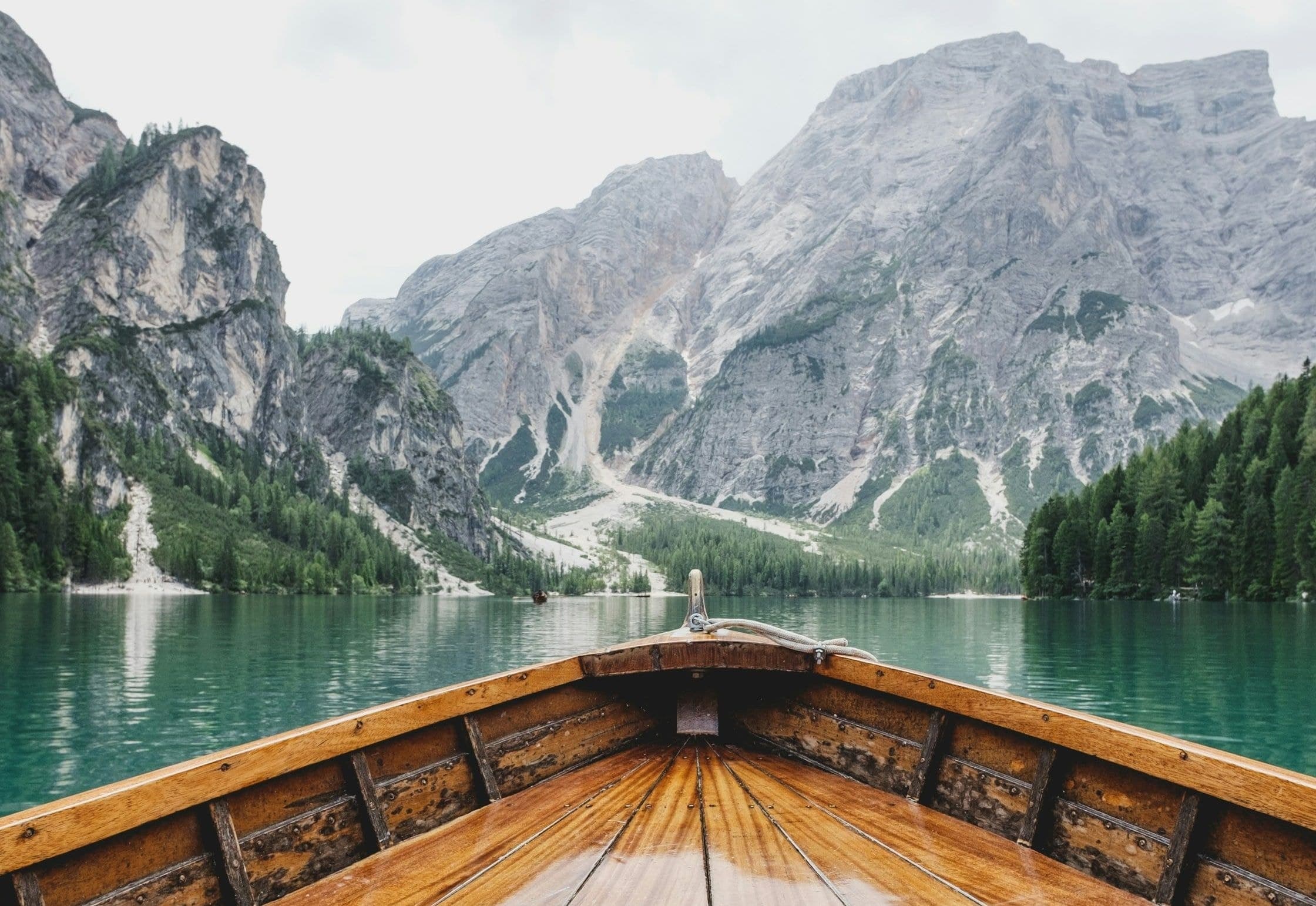
A morning of this kind shares a clock with other alpine rituals that reward early presence. The lake before the first wake, as in an alpine morning on still water, asks for the same willingness to arrive before the basin has been spoken for. Here the water is replaced by snow-light and the crossing is replaced by the short distance from bed to shutter. The judgment is identical: the valley is truest before it has become someone else's itinerary of lifts and lunches.
Timber against cold is both material fact and temperament. Thick walls. Joints that have settled through winters. A threshold that does not leak the night's work of keeping the frost out. Houses of this order belong to the same family as the quieter alpine estates — places held for season and silence rather than for display — the register of country estates kept for their climate more than for their photographs. The chalet does not need to announce its altitude. The light through the glass does that work.
The valley waits. That is its gift and its discipline. Paths will open. Skis will leave their first lines. A delivery van will eventually find the road below. Until then the white holds. You may walk a short way and return with cold in the lungs and snow on the cuffs. You may stay indoors and let the stove do the travelling. Either choice respects the hour if it refuses to hurry. The people who treat the mountain as a checklist of summits miss the room. The people who treat the room as the point keep the shutters' first light as a private season.
Sound marks the edges of the morning. A log settles. Wind finds a gap and then loses interest. Somewhere far down the slope a door closes with the softness of a household rather than of a resort. These confirmations matter because they prove the chalet was sited and kept well. They cannot be arranged by a booking alone. They arrive when place, timber, and timing agree — and when no one has yet turned the valley into a programme of arrivals.
By midday the same view will look busier even if the snow is unchanged. Light hardens. Voices carry farther. The road below remembers its purpose. That is expected. What remains from the chalet hours is the memory of snow-bright glass and warm wood, of a valley that asked nothing until the shutters opened, and of a morning held above the tree line without an audience. Later the Alps will be discussed as scenery. You will remember them as a room you entered by opening wood against cold, and by waiting with the valley until the day was ready to begin.
Key Highlights
Shutters First
The morning begins when wood opens onto snow-light — not when the valley's schedule starts.
Timber Against Cold
The house is a climate: thick walls, settled joints, frost kept where it belongs.
The Valley Wait
White holds until paths and voices arrive; the craft is not to hurry that interval.