Coachbuilt for One
Coachbuilding begins where the catalogue ends. Not with a list of trims, but with a hand that already knows how a door should close for one particular driver, and an eye that refuses a line because it looks correct on a screen and wrong in morning light. The body is shaped for a single owner’s reach and glance. Options are what factories offer when they cannot yet listen.
Workshop patience is the first material. Aluminium or carbon, timber patterns, tape on clay — whatever the medium, the hours do not announce themselves. They appear later as a panel gap that stays even after heat, as a waistline that does not fight the wheelbase, as a roof edge that softens glare instead of collecting it. Speed will test the finish; the cabin will keep the record. That pairing sits at the centre of engineering desire: felt first, finished with the same seriousness as the chassis.
A single hand on the form is not romance. It is accountability. When one craftsman owns the curve from sketch to polish, disagreements cannot hide in committees. The owner’s height, the preferred seat height, the way the wrist rests at motorway pace — these enter the drawing as quietly as camber. The result refuses to look like everyone else’s car with a different badge. It looks like a decision that could only have been made once.
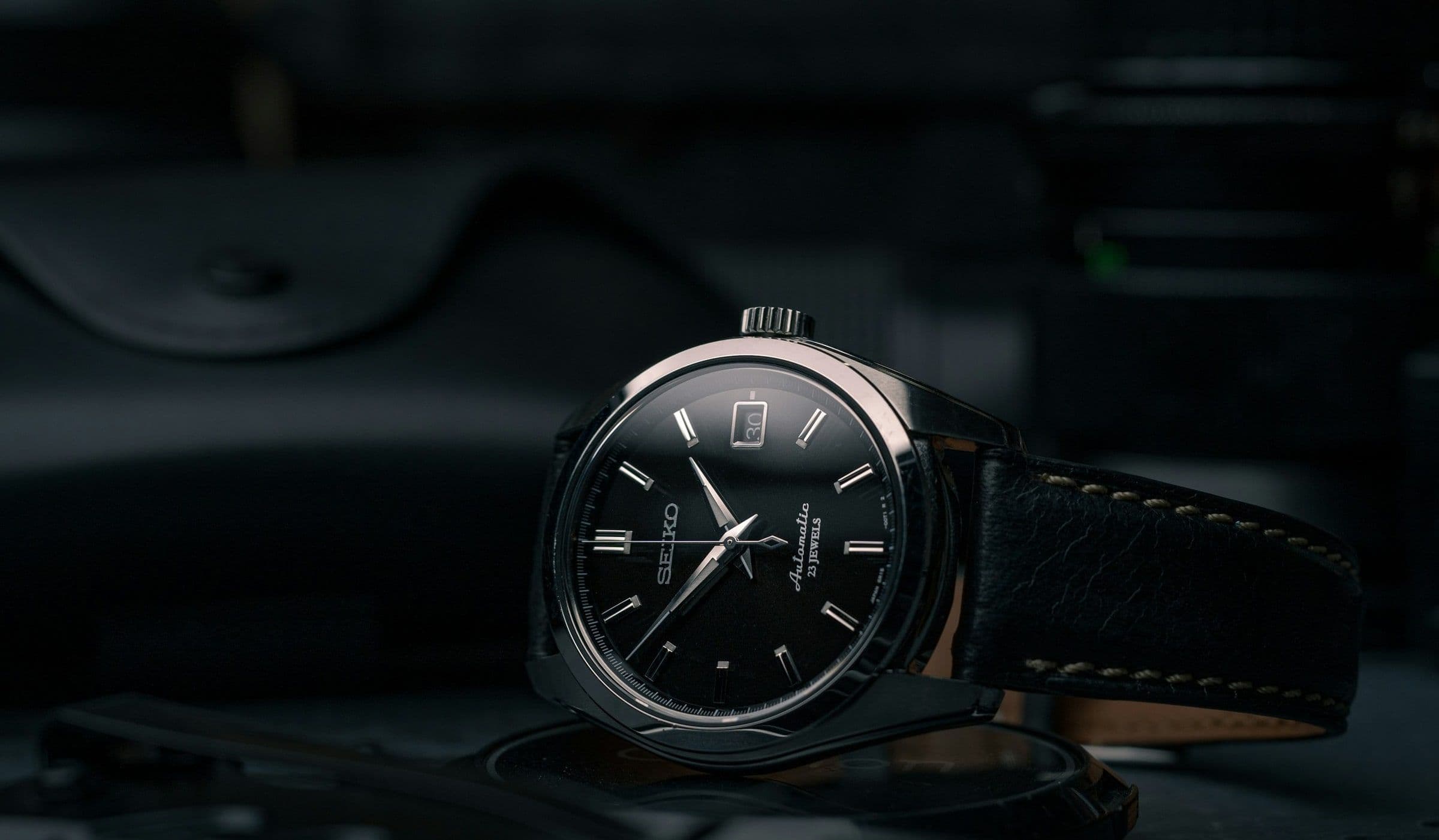
Light in the workshop is part of the brief. Cool side light shows orange peel and dishonest radii; warm light flatters and must be ignored. The same discipline that governs a complication finished for the wrist applies here: finish is not decoration laid on after the mechanism works. It is the mechanism made visible. A handle that fits without looking down, a mirror that does not interrupt the shoulder line, stitching that does not glare under sun — each is engineering translated into touch.
Sound belongs to coachwork as much as to the drivetrain. The thud of a door, the muted travel of a window, the way wind leaves the A-pillar alone at pace — these are tuned, not accidental. A body built for one should not shout its rarity. It should give a narrow band of information at low speed and widen it as the road opens, trust earned before the full voice arrives.
Materials are chosen for how they will age in that owner’s climate, not for how they photograph on delivery day. Leather that darkens at the edges, paint that holds depth after years of sun, metal that cools with a tick rather than a creak — these are the aftermath of desire that persists. Fashionable surfaces that feel brittle after a season have no place in a body meant to outlast a trend cycle.
The road remains the critic the workshop cannot bribe. A coachbuilt car that is rigid on smooth tarmac and nervous on a worn coast road has failed the test the owner will meet most often. Compliance, damping, the conversation through the seat — these must agree with the line the eye was promised. When cabin and chassis disagree, rarity becomes spectacle, and spectacle thins.
There is ethics in refusing catalogue theatre. A mirror-finish for its own sake, a vent that does not breathe, a badge that shouts ownership — these are noise. Coachbuilt for one means the line holds under use, the door still closes like a vault after heat cycles, and the owner never has to forgive a compromise as “character.” Character is coherence: the same story from clay to kilometre.
Owners who commission once often speak less about uniqueness than about fit. The seat height that was right on the first mile stays right on the hundredth. The mirror that did not interrupt the shoulder still does not. That persistence is the workshop’s true signature — not a plaque, not a story told at dinner, only the absence of renegotiation between hand and machine.
When the car leaves the bay, the workshop’s quiet should travel with it. Not as nostalgia, but as continuity — a body that still answers the hand that commissioned it, still reads the road without asking for an audience, still keeps its millimetres when the surface changes. That is the only measure that matters once the last polish cloth is folded away.
Key Highlights
A Single Hand
Accountability lives in one craftsman’s curve — from clay to polish — where committees cannot hide a dishonest radius.
Line Without Options
The waistline and door shut are decisions for one reach and glance, not trims chosen from a screen.
Workshop Patience
Hours appear later as panel gaps that survive heat and a cabin that records speed without theatre.