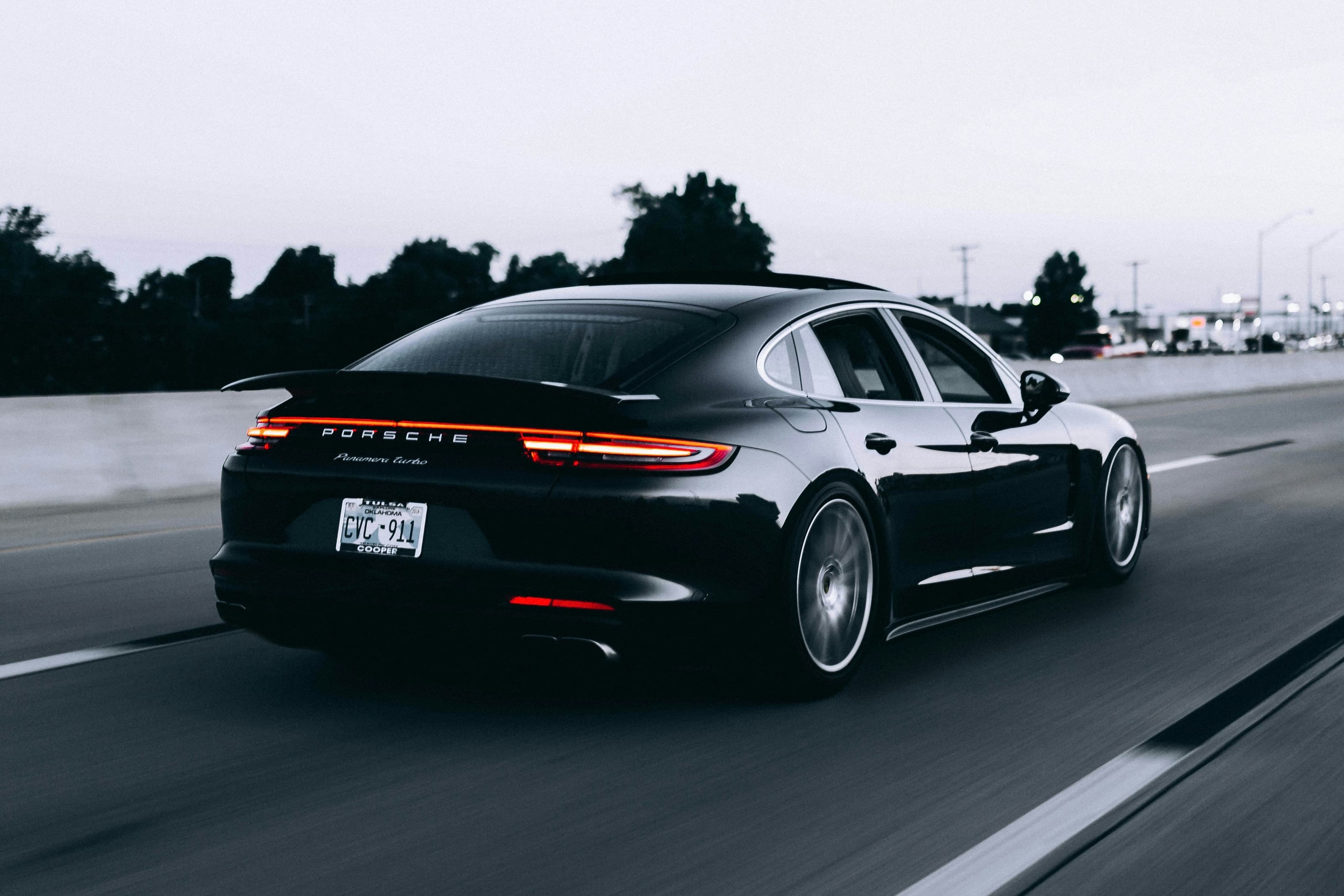
The Quiet Grand Tourer
Composure is the first promise a quiet grand tourer makes, and the last thing it should break. Miles arrive without announcement — no theatre in the note, no need to explain how the distance is being made. The cabin holds temperature, light, and conversation as if the road were another room in a house that travels. Specs can wait outside. What matters is whether the spine stays calm when the surface changes.
Electric distance, handled well, is not silence as absence. It is silence as curation: a narrow band of tyre and wind at town pace, a wider honesty when the motorway opens, never a shout that asks to be remembered. Desire here is the pull to close a door that still sounds like a vault, to settle into a seat that holds the shoulders without claiming them. That pairing of feel and finish is the same discipline named in engineering desire — machines built to be felt, and finished with equal seriousness.
Steering weight should build like a sentence, not a switch. Progressive, continuous, matched to damping that keeps long distances humane without floating the line. A grand tourer that is rigid for the sake of sharpness and nervous on worn tarmac has failed the roads owners actually use. Continuity belongs in the body: whether the car asked for correction every kilometre, or only when the road genuinely required it.
Inside, metal and glass must behave. Reflections that fight the dusk, a wheel rim that cools oddly against the palm, trim that ticks out of time with the structure — these interrupt the quiet more than any missing soundtrack. The cabin’s metalwork belongs to the same family of attention as metal against the dark: surfaces meant to be read in low light, without glare or apology. Night kilometres are where that reading either holds or fails.
Passengers measure the tour differently. They feel yaw as sway, hear wind as urgency. A well-kept cabin translates to them as ease — glasses that do not slide, talk that does not pause at every seam. The driver’s quiet hands become the passenger’s sense that the car knows where it is going even when the surface disagrees. Electric or otherwise, that translation is the old meaning of grand touring: countries crossed without arriving as fatigue.
Range anxiety is a language of brochures. On the road, the better question is rhythm: where to pause because the light is good and the cabin needs a door cracked for cool air, not because a screen insisted. Charging stops that feel like interruptions break composure; stops that feel like the journey’s own punctuation keep it. The machine should not narrate its needs louder than the landscape.
Materials age in this cabin under long sun and long night. Leather that darkens honestly at the edges, fabrics that do not pill under belt travel, metal that keeps its temperature story after years — these are engineering as much as any map of motors. Fashionable surfaces that photograph well on delivery and feel brittle by the second season have no place in a tourer meant to be lived with in silence as much as in motion.
There is ethics in refusing announcement. A surge that impresses once, a regen bite that teaches fear, a screen that lights the cabin like a shop — these are noise. Progressive build, grip that arrives when invited, interfaces that stay dim until asked: restraint reads as confidence. Desire persists when both states — speed and stillness — feel equally intentional.
Weather on a long tour is another form of surface. Rain that changes tyre voice, crosswinds that ask the chassis whether lift was managed honestly, heat that tests whether the cabin’s climate is a system or a suggestion — each arrives without asking permission. A quiet grand tourer answers in the same low register it uses on dry tarmac: small corrections, progressive build, no need to narrate the difficulty to the passengers.
When the drive ends, what remains should be the cabin cooling: metal tick, leather breath, the absence of a fight remembered. If the miles were made without needing to explain how, the quiet grand tourer kept its word. Composure over spectacle, continuity over novelty — that is the only ledger that matters after the last door closes.
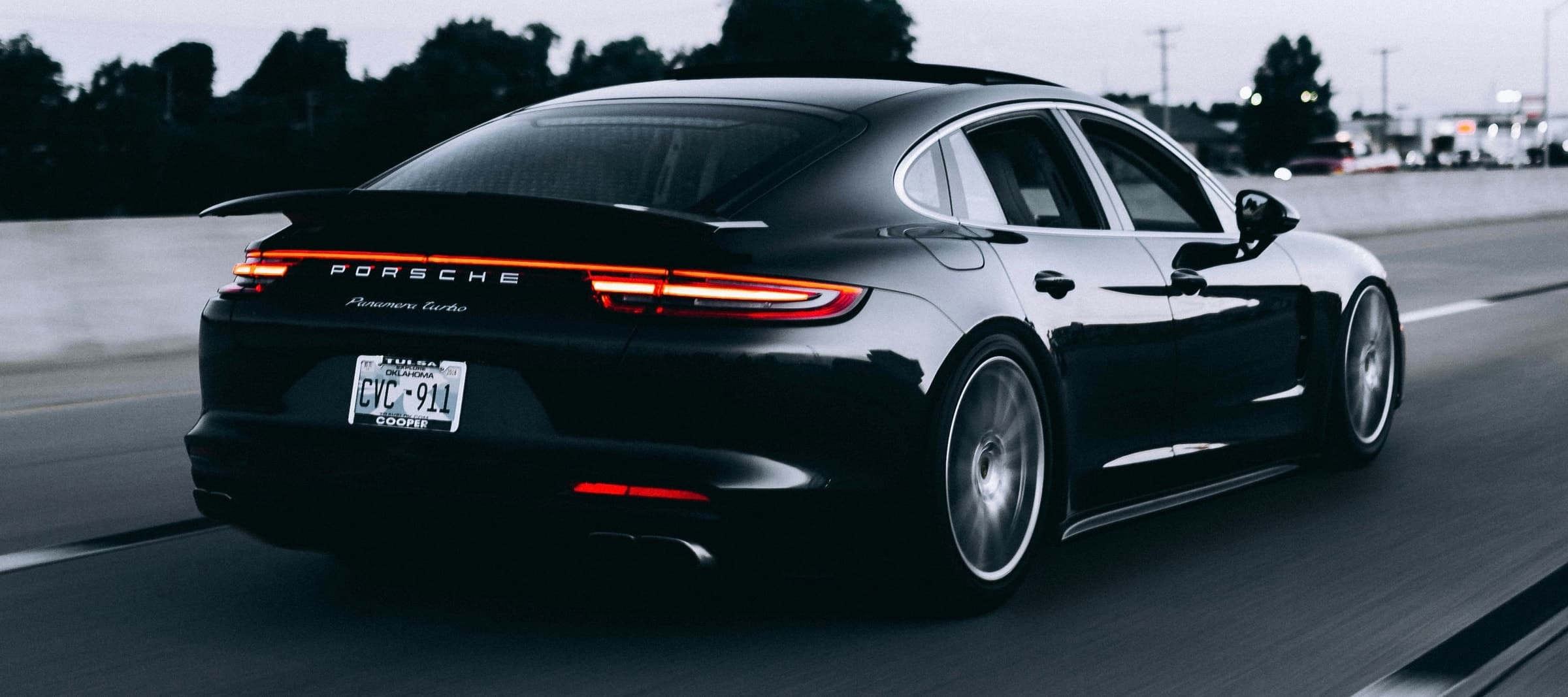
Key Highlights
Composure Over Specs
Distance is judged by a calm spine and quiet hands, not by a sheet of figures left outside the cabin.
Miles Without Announcement
Power and silence are curated so the journey never has to explain how it is being made.
Cabin as Continuity
Temperature, metal, and seat hold one unbroken room across countries and changing surfaces.