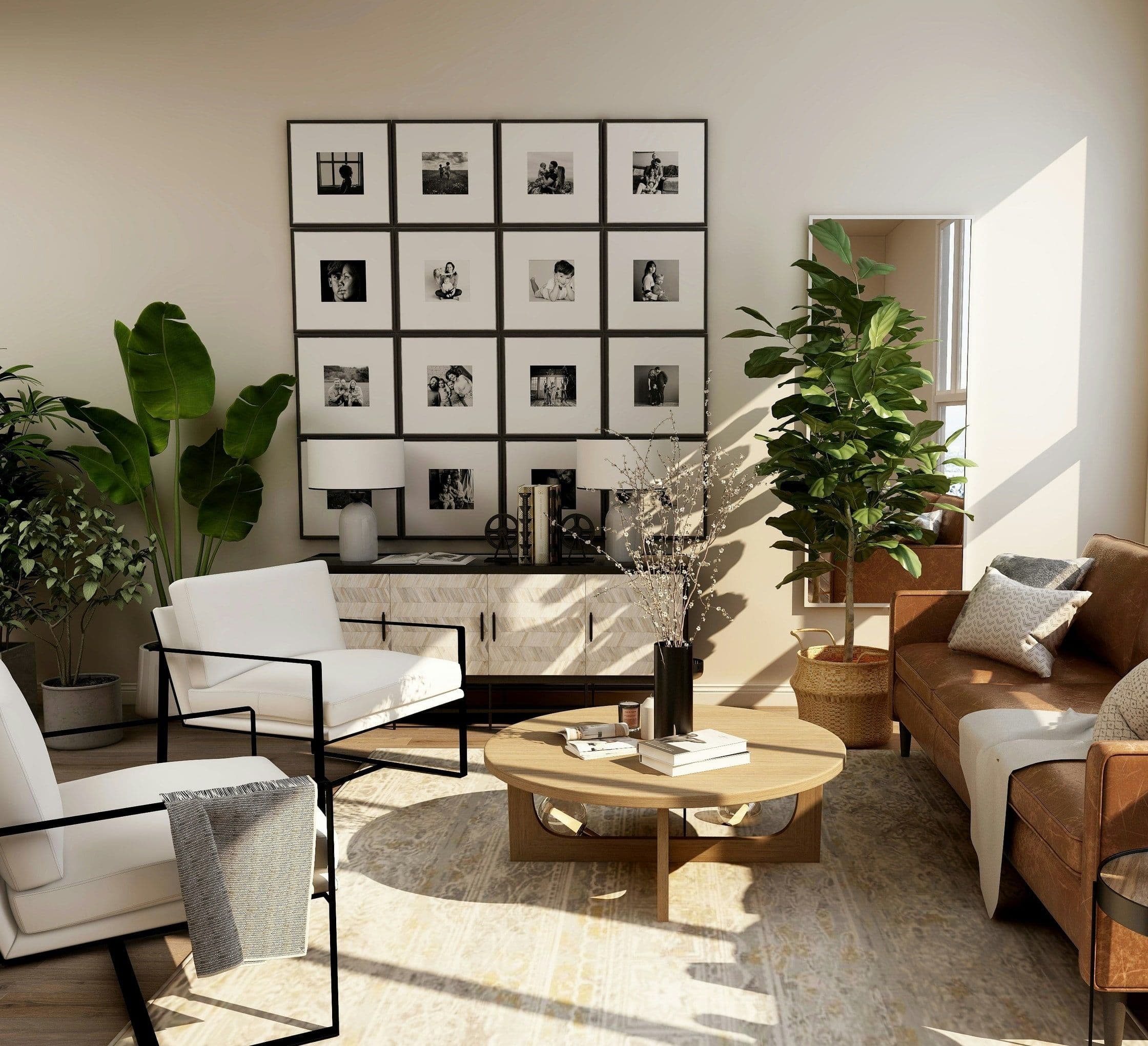
Kyoto at Blue Hour
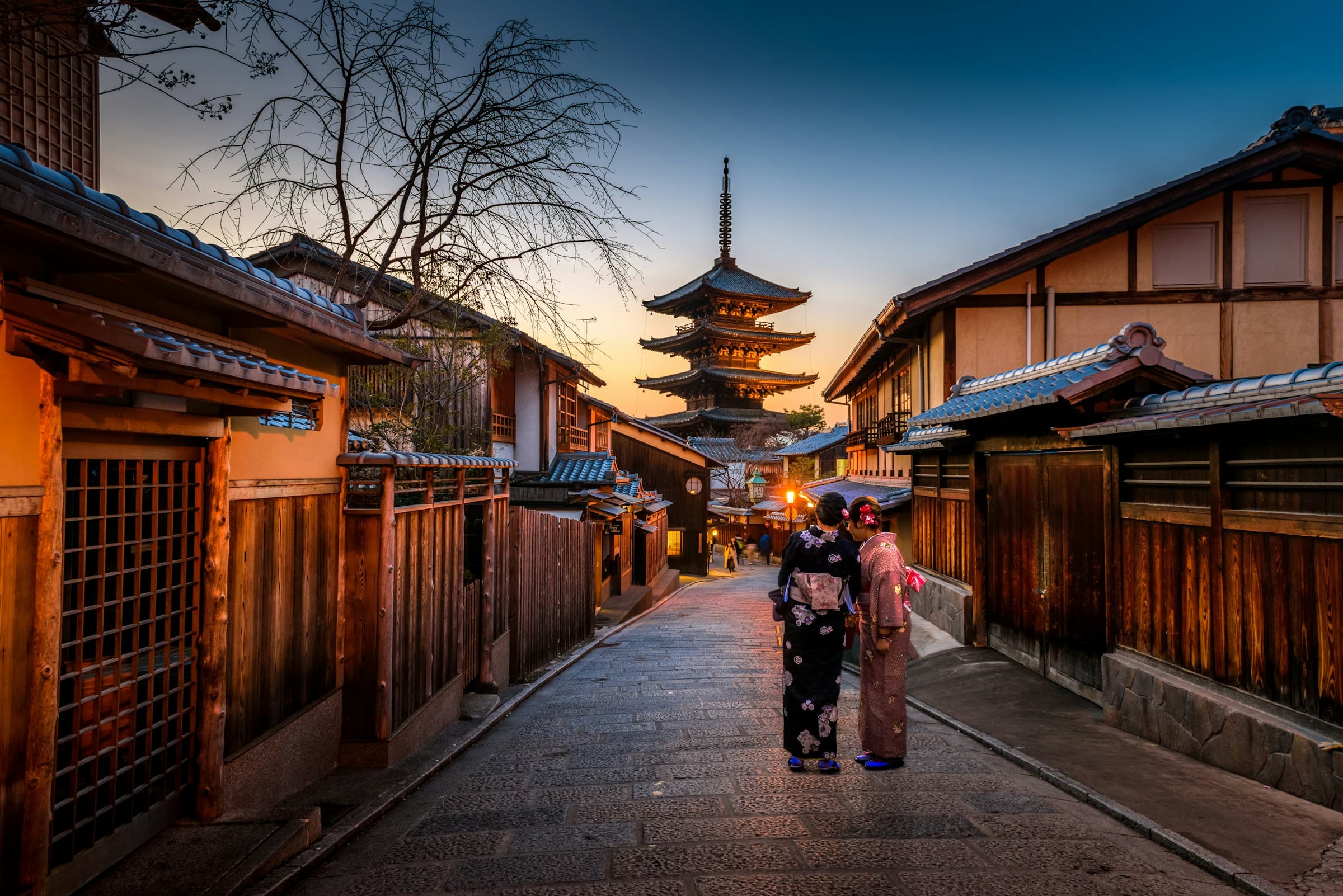
The light does not last, and that is the reason to be there. Wood along the lane is still warm from the day. The sky above the pagoda has not yet given up its blue, and for a few minutes the city holds a colour that no photograph quite keeps — something between day and lamp, between ceremony and the ordinary walk home.
Those who live on the hill walk it without an audience. A gate, a tiled eave, the slight rise in the stone. The city is doing what it does when no one has asked it to pose. Shutters are half closed. A bicycle rests against plaster that has been repaired many times. The pagoda at the end of the lane is not an event; it is a punctuation mark in a sentence the residents have read since childhood.
Visitors who arrive at the wrong hour see a stage. Visitors who arrive at blue hour see a neighbourhood. The difference is not secrecy so much as timing. Tour groups dissolve after sunset. The shops that sell sweets for daytime crowds have already counted their trays. What remains are the people for whom the lane is simply the way from one door to another, and the few guests who were willing to defer the checklist until the light had finished its work.
Sound changes in that interval. Footsteps on stone become the main music. A distant bell does not compete with traffic because traffic has not yet reclaimed the lower avenues. Someone rinses a bucket. A screen slides. These are small domestic acts, and they are the texture of Kyoto when it is not being interpreted for anyone. To walk slowly here is to accept that the city reveals itself in layers, not in a single panoramic gesture.
Kimono on the lane at this hour may belong to residents, to apprentices, or to guests who understand that dress is a form of respect rather than costume. The fabric catches what is left of the sky. Movement is unhurried because the light itself is unhurried. There is no advantage in rushing toward the pagoda; the pagoda will still be there when the blue fades, and the photograph will be poorer for having hurried through the minutes that mattered.
Arrival is the whole of the craft. Come when a lantern is only just necessary, and leave while the colour in the sky is still a choice. That means knowing which turn to miss — the wider street where buses still pass, the shopfront that stays bright for strangers. It means accepting a shorter walk in exchange for a truer one. The itinerary is not abandoned; it is distilled to the part that cannot be repeated at noon.
From a slight rise, the rooflines step down toward the basin. Lights appear one at a time, not as a spectacle but as answers to the dark. The pagoda’s silhouette sharpens. You are not above the city, exactly, but beside its breathing. This is the hour when Kyoto feels neither ancient nor performed — simply continuous, as if the lane has always ended this way and always will.
When the blue finally goes, the air cools and the lanterns become the primary colour. That is the moment to turn back. To stay longer is to join a different city — one of restaurants and queues, of voices raised in languages that were absent a few minutes ago. There is no failure in leaving. The point was to walk inside a narrow band of time, when wood and stone still remembered the day and had not yet surrendered to the night’s commerce.
Later, in a room elsewhere, you may hear the same city described as crowded or curated. You will know otherwise. You will remember the lane as it was when the sky still belonged to the pagoda and the walk required no explanation — only presence, and the discipline to arrive when the city was still willing to be itself without an audience.
Key Highlights
A Light That Leaves
The hour is short, which is why it is kept — and why those who know the lane refuse to rush it.
The Lane Is Enough
A pagoda at the end of a stone street does not need a longer itinerary to justify the walk.
Walk Without an Audience
The city is clearest when it is not being shown, and domestic sound replaces the daytime programme.