Light Before the Schedule
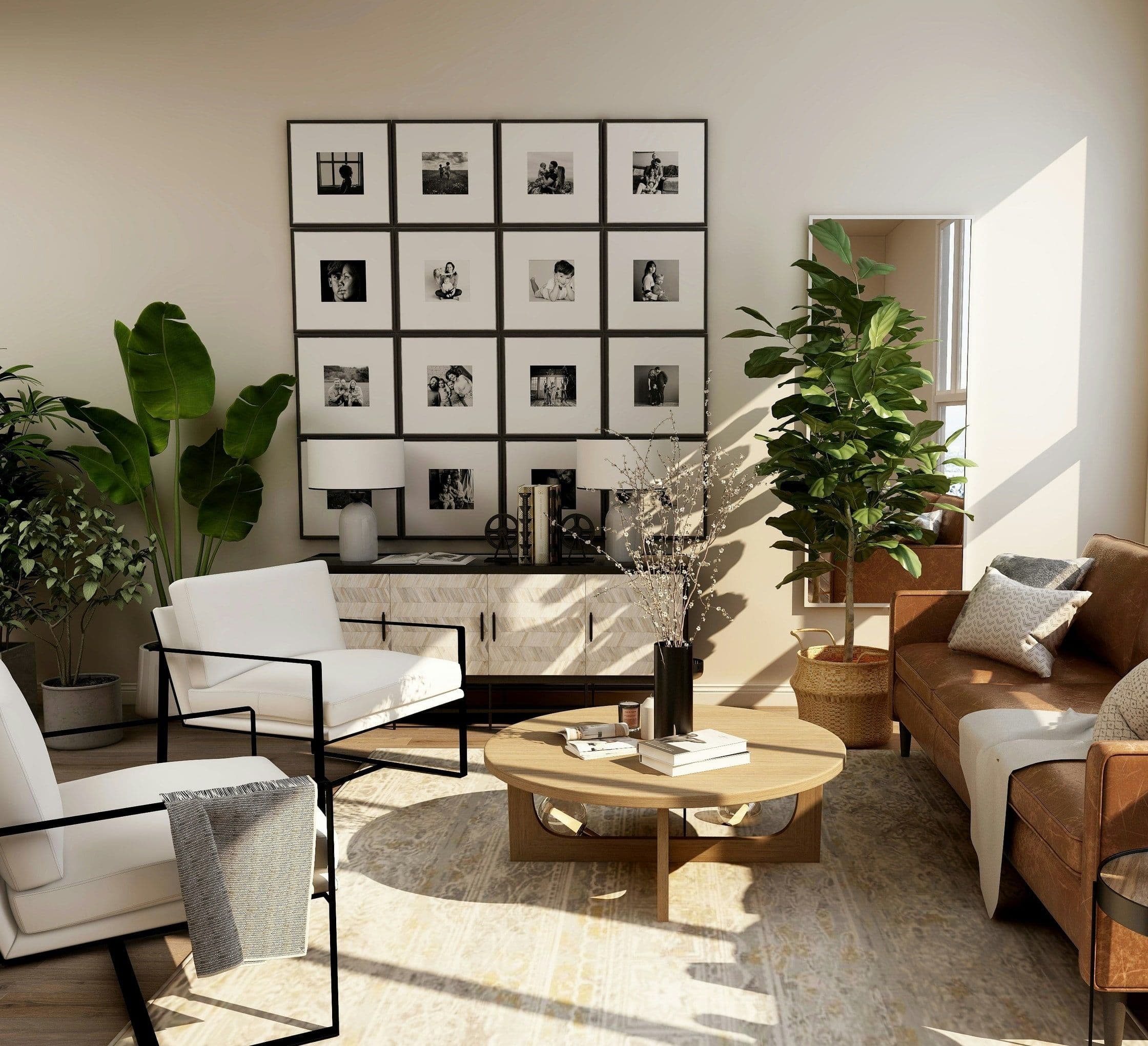
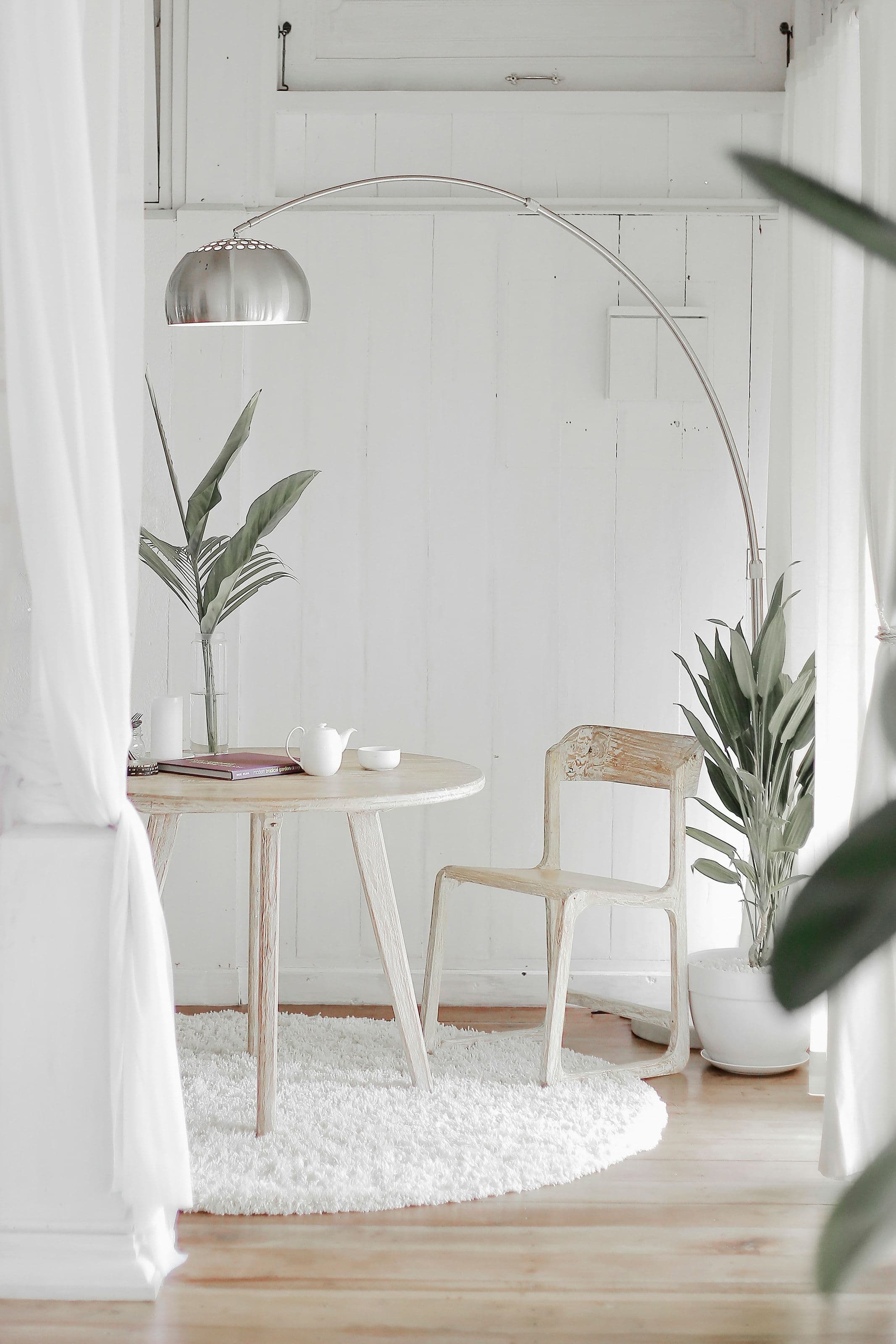
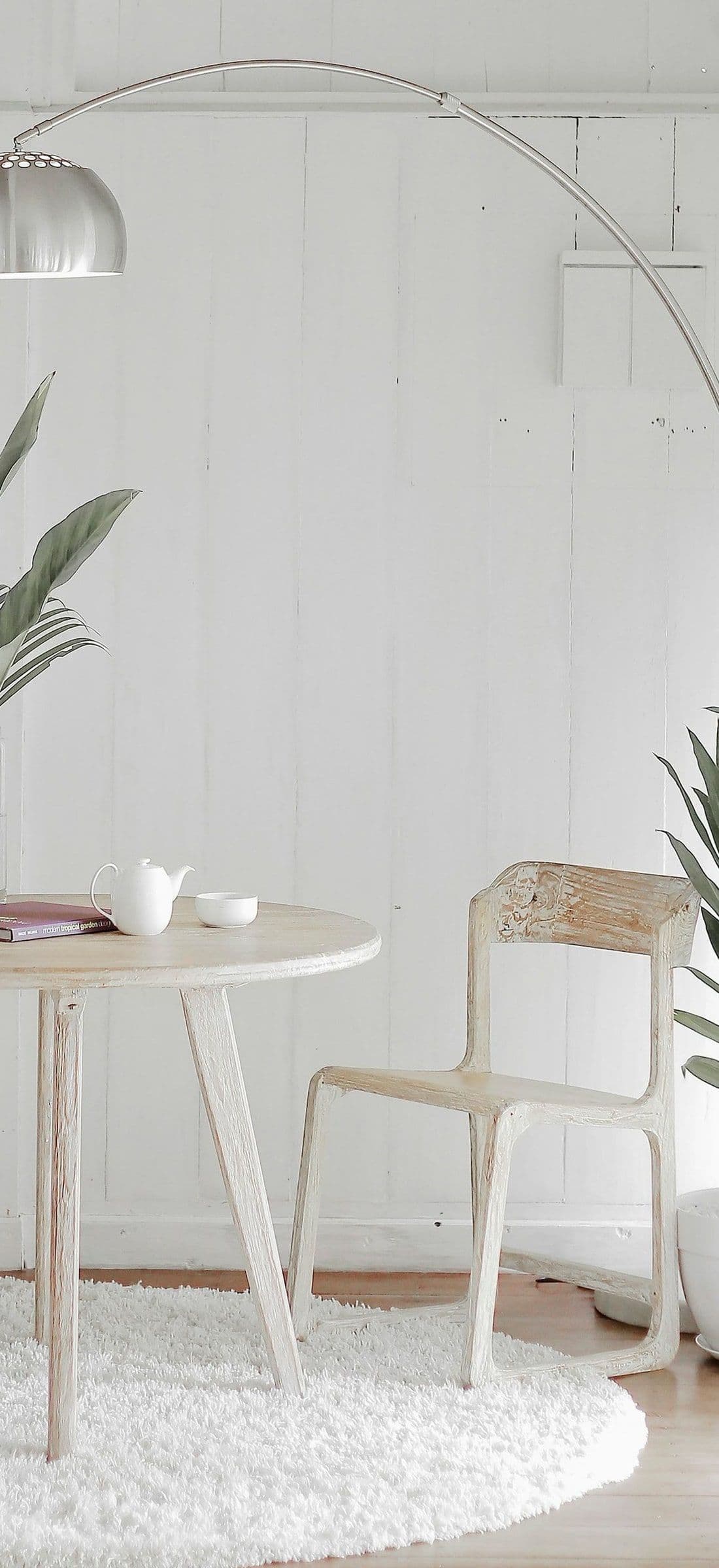
Before the day is written down, there is a strip of light on the floor and a chair that has not yet been assigned a purpose. Tea cools at its own pace. The curtain moves because the window was left a fraction open, and the air that enters carries the temperature of the hour, not the heating system’s ambition.
Beauty here is not a treatment. It is the refusal to spend that first hour on anything that could wait. Skin, breath, and attention recover when nothing is demanded of them — when the mirror is not the first surface you consult, and when no message has yet rewritten your priorities from another time zone.
Houses that protect this light do so by habit, not by slogan. A table left clear. A pot that stays warm. The knowledge that the schedule can begin a little later than it thinks, without consequence to the work that truly matters. The habit is passed through layout: the morning room is not the office, and the path to coffee does not pass the desk.
The morning hour has a different quality of silence from the night. Birds, a distant engine, the tick of a house waking — but no voices yet, no replies expected. To sit in that interval is to remember that you are a person before you are a set of obligations. Night silence is for sleep; morning silence is for orientation.
Tea or coffee, in this context, is not fuel. It is a pace marker: liquid that cannot be hurried without ruining it, a cup that asks you to hold something warm while the room brightens by degrees. The ritual is minimal; the effect is disproportionate. Grinding beans, warming a pot, waiting for the bloom — each step refuses acceleration.
Screens are the usual intruder. A house that guards light often keeps them out of the first room you enter — not as a rule posted on the wall, but as a layout decision made once and then respected. What you see instead is wood, cloth, and the slow change of shadow. When a screen appears later, it arrives as a choice, not a default.
Skin responds to that gentleness. Not because a product was applied in the dark, but because sleep has not yet been erased by artificial brightness. When you do wash, the water can be lukewarm, the towel soft, the whole sequence shortened to what restores rather than prepares a public face. Harsh light at the basin undo in minutes what the morning room built in an hour.
Travel makes the value obvious. Hotels that flood bathrooms with LED at dawn, phones buzzing with another time zone — the schedule reasserts itself before you have opened the curtain. At home, the contrast is worth preserving: one window, one chair, one drink, no list. Jet lag is partly physics; it is also the loss of this protected strip of waking.
Partners and children can share the light without sharing the silence. A kitchen may already be in motion while the morning room stays dim; the point is not isolation but sequence. Those who need an early departure can pass through without converting the whole house to urgency. Respect for the first hour becomes a form of household diplomacy.
What you carry into the rest of the day is not inspiration but capacity. The light before the schedule is a small deposit of attention paid to yourself. Spent wisely, it keeps the afternoon from feeling like recovery from the morning. Miss it repeatedly, and even a well-run day begins to feel like something done to you rather than something you inhabit.
Key Highlights
Before the List
Light on the floor and an unassigned chair are enough of a beginning.
Recovery Without a Name
Skin and attention mend when nothing is demanded of them at dawn.
A Later Start
The schedule can wait for the pot to cool and the curtain to move.