
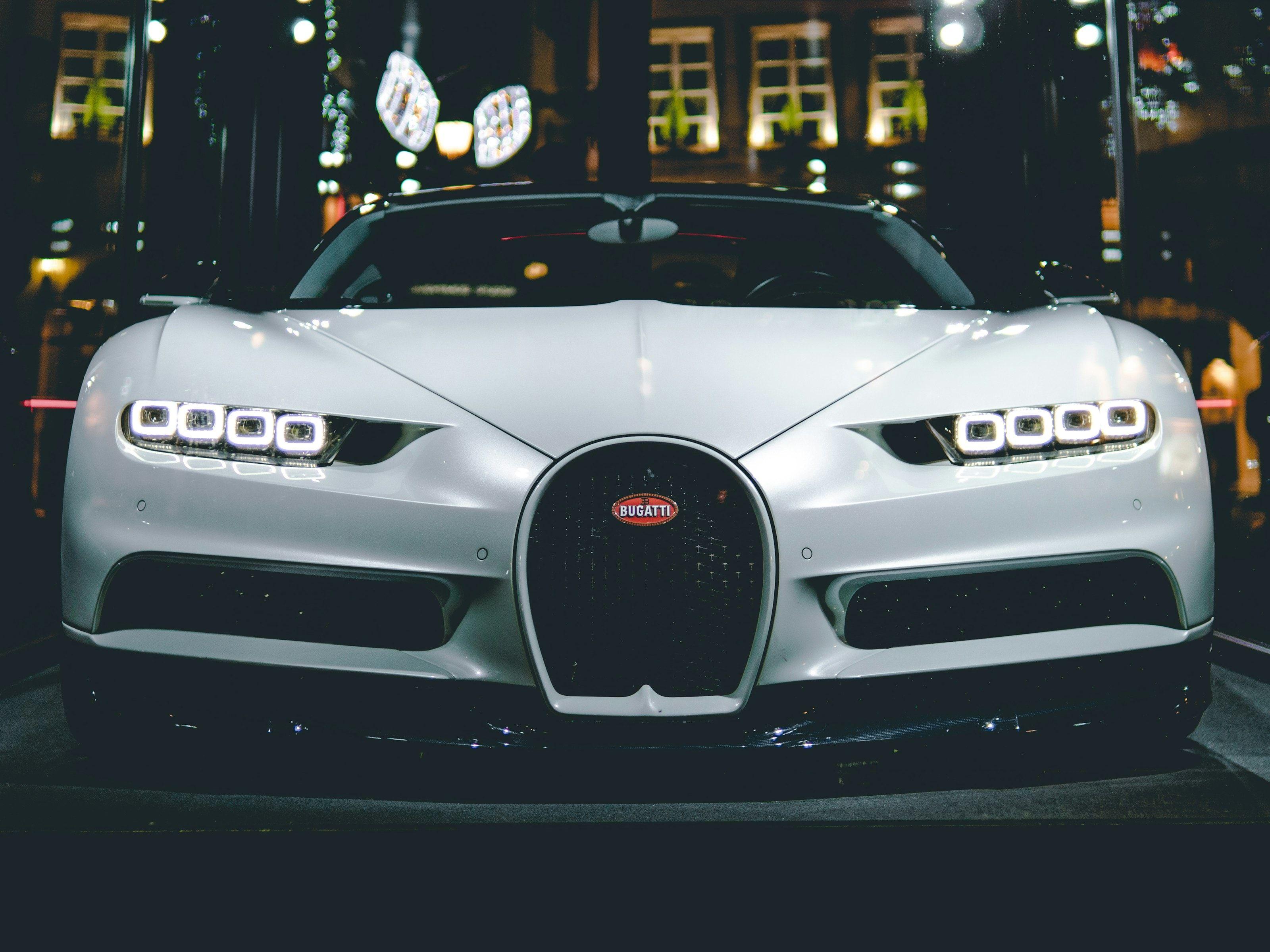
By year’s end the line that made Mate Rimac’s name will go quiet. Production of the Nevera, the electric hypercar that carried a Croatian workshop into the rare air of the hypercar calendar, is scheduled to close before the calendar turns. The run will finish short of the one hundred fifty cars once sketched when the machine still wore the working title C_Two in 2018. What remains is a finished set of roughly seventy-one examples—fifty-one in the standard specification and twenty as the sharper Nevera R—and a founder’s insistence that the chapter did its work even if the ledger of units looks smaller than the early prospectus.
Launched in 2021 under the Nevera name, the car arrived as a statement about torque delivery rather than theatre. Four motors, roughly one thousand eight hundred eighty-eight horsepower, and about one thousand seven hundred forty-one foot-pounds of torque were not presented as a brochure crescendo so much as a set of numbers the chassis was asked to metabolise without drama. Zero to sixty-two miles per hour in one point seven four seconds, and a claimed top speed of two hundred fifty-eight miles per hour, placed the Nevera among the few machines that treat the first second of motion as architecture rather than spectacle. Owners who collect in this register tend to care less about a crowd’s reaction than about whether the car keeps its composure when the road opens and the cabin stays calm.
The Nevera R tightened that brief. Output rises to about two thousand seventy-eight horsepower; the claimed top speed moves to two hundred sixty-eight miles per hour. The acceleration figure to sixty-two remains one point seven four seconds—an honesty that suits a desk that prefers measured performance to louder promises. Aero is more assertive, the brief more track-facing, yet the car still reads as a continuation of the same idea: power as a controlled instrument, not a shout. Twenty of those sharper cars close the run; they will be the ones that surface at private track days and in garages where the conversation starts with feel rather than with a figure murmured across a table.
Mate Rimac has framed the shortfall against the original one hundred fifty as less decisive than the role the Nevera played in what followed. He has called it the most-sold electric hypercar of its class and pointed to the Tourbillon and to the factory that would not have taken their present shape without that first production car. The claim sits in the public record as his own measure of success. For a reader who selects rather than spectates, the interesting fact is not the missed target but the scaffolding: a debut model that financed and justified a larger industrial footing, then stepped aside without a successor announced in the same breath.
The company around the car has widened since the C_Two first appeared. Rimac now sits at the centre of Bugatti’s direction as well, a pairing that would have sounded improbable when the Nevera was still a concept sketch. Separate divisions develop electric-vehicle technology for other manufacturers, including that sister marque. Earlier this year the group also began operating Verne, a self-driving rideshare service—another line of work that treats mobility as infrastructure rather than as a showroom pose. None of these moves require a Nevera sequel to be credible; they do explain why ending the run can feel less like a retreat than like a change of register.
What the Nevera leaves behind is a short, dense production history and a set of performance figures that still hold their weight when stated without adjectives. Quad-motor, near two thousand horsepower in the R, sub-two-second sprints to sixty-two, triple-digit top speeds measured in the two hundreds—these are open facts, not marketing fog. The quieter achievement is that the car taught a young marque how to build, sell, and support a hypercar in an electric language, then freed the organisation to apply that learning elsewhere. History will keep the seventy-one units as a closed set. The Tourbillon, the factory floor, the Bugatti brief, the technology desks, and Verne’s early routes are the unfinished sentences that begin where the Nevera’s line stops.
For collectors who already hold one, the wind-down clarifies provenance. A finished run of this size is easier to place than an open series that drifts for another decade. The standard car and the R will be read as two chapters of the same thesis: extreme electrical performance delivered with a sculptural body and a cabin that does not need an audience. For those who never ordered, the story is still useful as a case study in how a hypercar can succeed as an instrument of industrial growth even when unit counts fall short of the first ambition. Selection, in this house’s sense, means noticing that distinction—between a car that missed a round number and a car that made the next buildings and the next brands possible.
There will be nostalgia, of course, when the last Nevera leaves the floor. Nostalgia is not the point. The point is a clean close: production ends by the end of the year; the intended one hundred fifty from the C_Two era becomes a historical footnote; the final tally of about seventy-one stands; the performance claims remain on the record; and Mate Rimac’s larger map—Bugatti, shared EV technology, Verne—continues without needing the Nevera to keep rolling off the line. That is how a serious debut model exits: not with a clearance event, but with a finished number and a factory that has already moved on to the next precise problem.
Key Highlights
A Finished Number
About seventy-one Neveras close the run—fifty-one standard, twenty as the R—short of the one hundred fifty first imagined.
Measured Extremes
Quad-motor output near 1,888 hp, 1.74 seconds to 62 mph, 258 mph; the R reaches about 2,078 hp and 268 mph.
What the Car Built
Rimac ties the Nevera to the Tourbillon and the factory—then to Bugatti, EV tech desks, and Verne.
Explore more
Motor
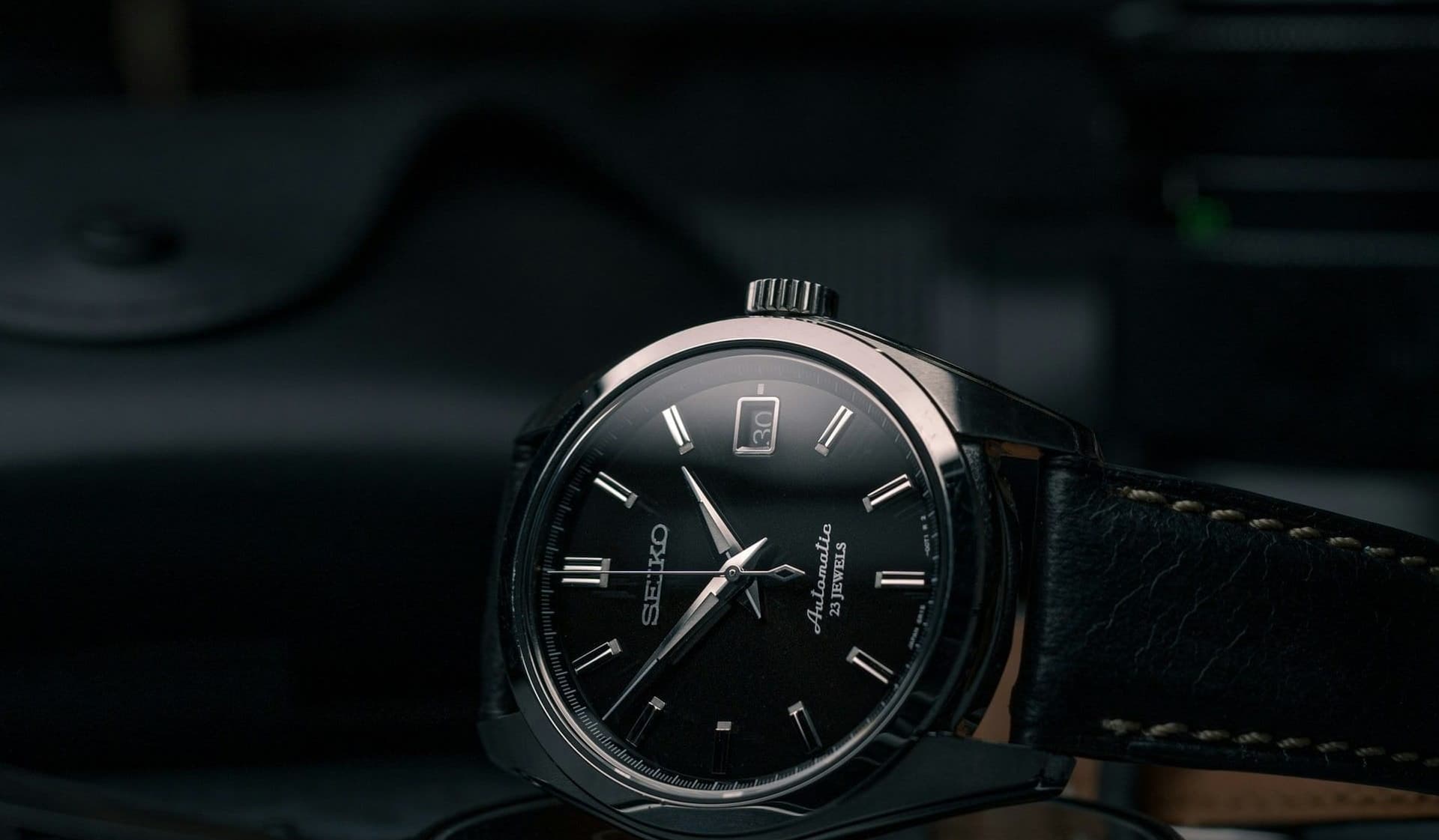
Night Drive on the Wrist
A dial that stays readable when the cabin is dark, and a road that asks for less light than the city.
Style
The Trunk Maker’s Seam
Luggage built as architecture for objects, where the stitch is the argument and the logo is not.
Travel
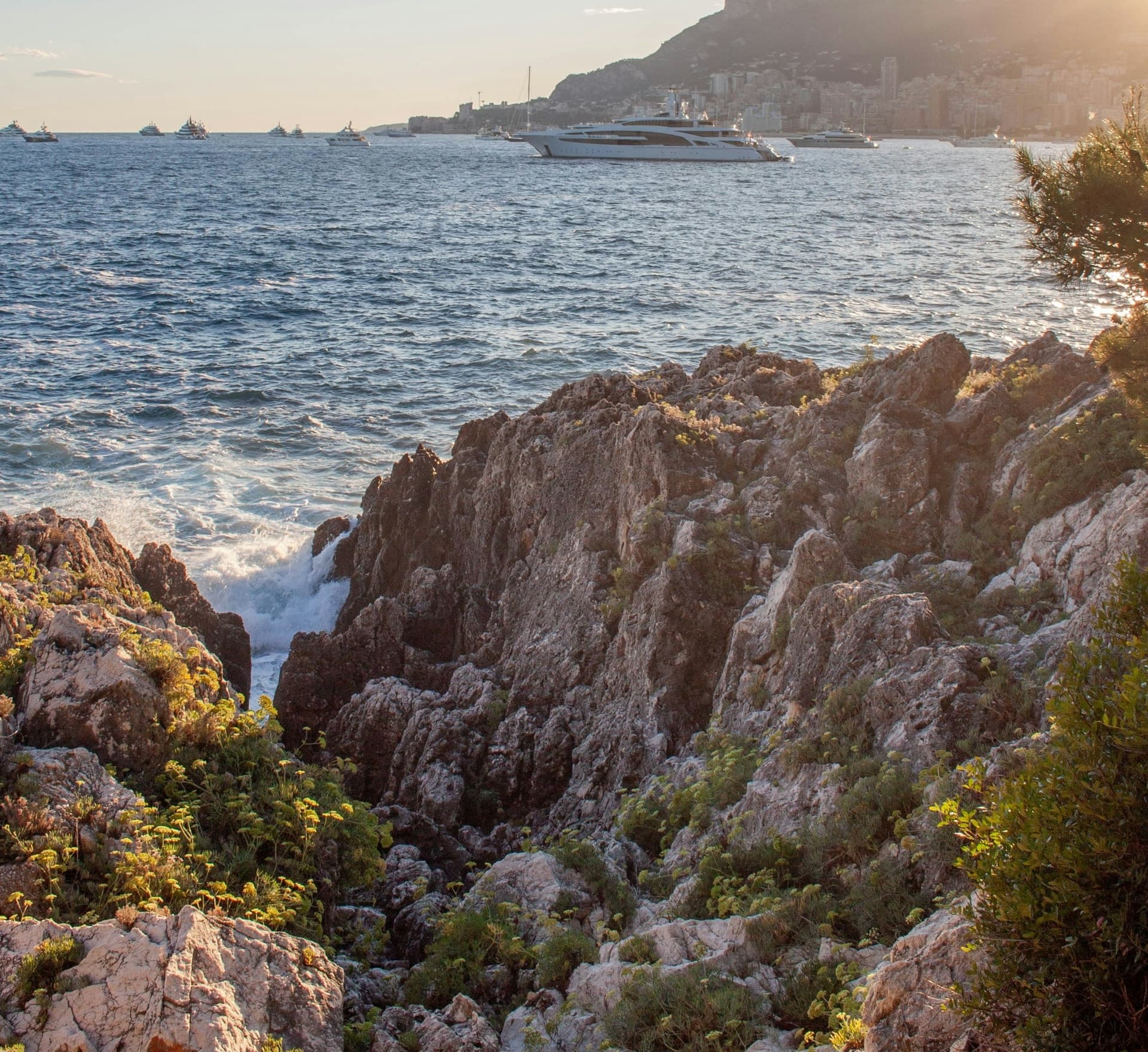
A Harbour That Keeps Its Own Hours
A working quay at dusk, where the town still answers the tide before it answers the calendar.