
Some journeys are timed to a shadow. EYOS Expeditions has shaped a ten-day Nile passage around the solar eclipse of 2 August 2027 — a day expected to deliver as much as six minutes of totality, when the Moon fully covers the Sun. The programme travels under the names Beneath Shadow of the Sun and Beneath the Sun and Shadow, and it runs from 27 July to 5 August. The point is not spectacle for its own sake. It is selection: where the river holds you when the light changes, and how few people share that bank.
The opening is private and early. Guests begin with a sunrise visit to the Pyramids of Giza — roughly two held hours before the day’s noise arrives. Stone meets first light without a crowd’s choreography. From there the itinerary turns toward Luxor and the Valley of the Kings, where special access opens three royal tombs together with Seti I’s richly worked burial chamber. Permissions matter more than photographs here. The tombs are entered as rooms of craft and succession, not as a checklist of famous chambers.
Water is part of the day’s grammar, not a postcard afterthought. Because the journey is organised as a river charter, passengers can swim in the Nile itself — a simple permission that changes how the current is felt. Cliffside tombs appear along the banks. Stops take in archaeological ground at El Kab and Edfu, places that reward a slower walk rather than a hurried glance from a coach window. The Temple of Khnum joins the sequence as another threshold between river and ritual.
Aswan holds a different register. There, midday is taken on the Old Cataract terrace at Mandarin Oriental, overlooking the Nile. The terrace is not a performance of arrival; it is a pause with a long view — heat, water, and the measured service of a house that has watched the river for generations. Elsewhere, EYOS places Egyptologists with the party for guided hours through the denser cultural hubs, including time inside Cairo’s Grand Egyptian Museum. The museum’s scale is public knowledge; what the desk values is the quiet transfer between galleries when the reading is led rather than rushed.
The eclipse remains the hinge. On 2 August, totality may last up to roughly six minutes. EYOS intends to keep guests away from the densest crowds, with the possibility of watching from an island mid-Nile — a strip of ground held by water on every side. Distance from the shore’s noise is the design. You stand where the river has already chosen the vantage, and the sky does the rest.
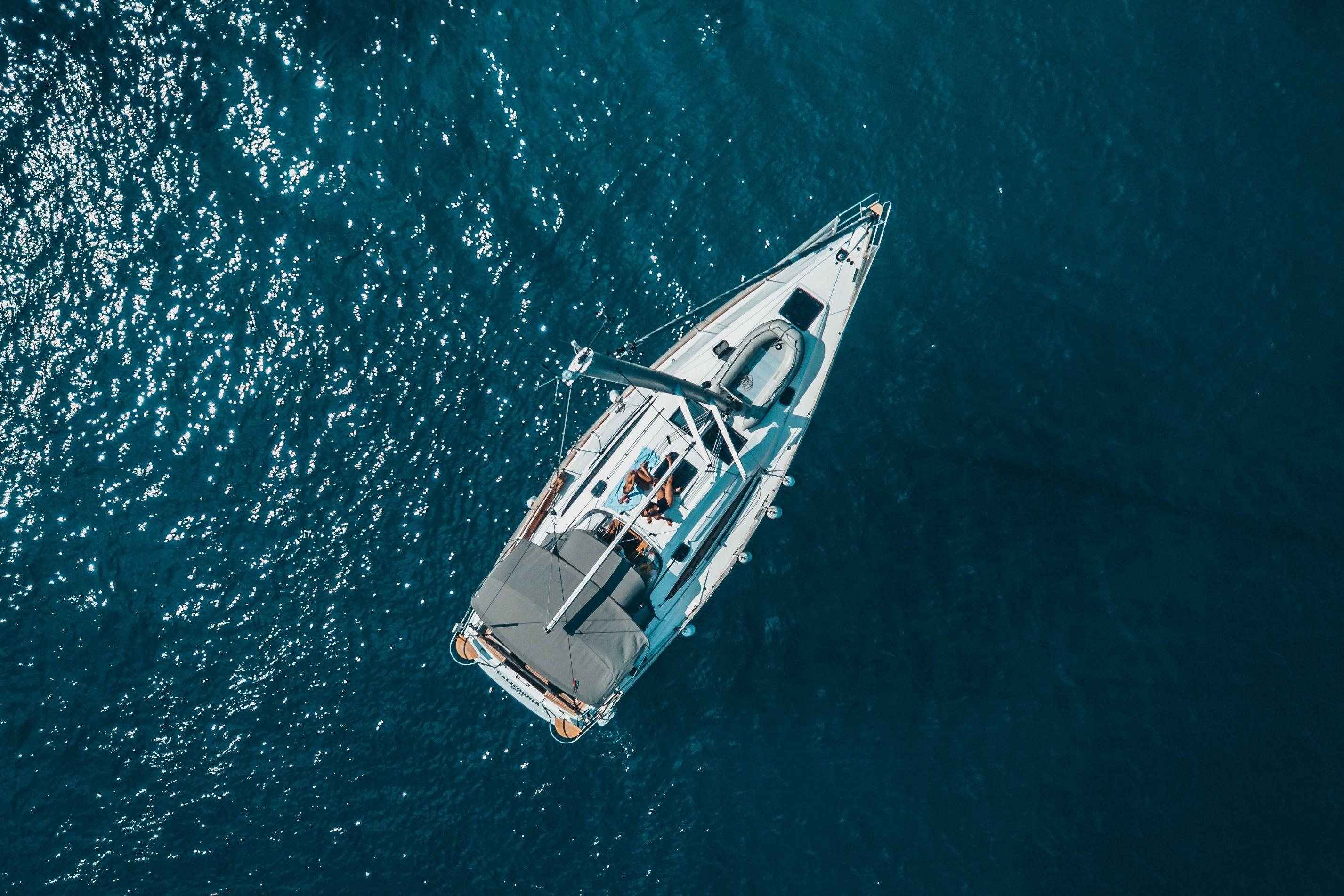
Home on the water is a traditional sailing yacht in the Nour El Nil dahabiya line — vessels made for slower Nile treks rather than for speed. The cadence matches the river’s own: sail, moor, walk, return. Guests book individual cabins rather than taking the entire vessel as a private charter. Among the options is a panoramic suite oriented to the river’s long views — a room that keeps the water in the frame without turning the suite into a stage. Accommodation on the dahabiya sits alongside the day’s excursions and meals as a single held rhythm.
Transfers between Cairo, Luxor, and Aswan are arranged by Gulfstream private jet — quiet hops that keep the map coherent without the friction of commercial hubs. Two nights also settle ashore at Beit El Nil, a private riverside house whose broad gardens are reserved solely for this party. The villa is not a hotel wing with a soft name; it is a closed garden against the water, used only by those moving beneath the eclipse calendar.
What holds the piece together is cadence more than novelty. Sunrise stone at Giza. Special tomb access in the Valley of the Kings, including Seti I. A swim in the Nile when the heat asks for it. El Kab, Edfu, and the Temple of Khnum walked with Egyptologists rather than with a loudspeaker. Terrace lunch at the Old Cataract in Aswan. Cairo’s Grand Egyptian Museum as a closed chapter of reading. Then the held sun — up to about six minutes of darkness at noon’s edge — possibly from an island that belongs more to the river than to any ticket queue.
For readers who already know Egypt’s public map, the value is in what is kept small. A private dawn at the pyramids. Tombs opened by permission rather than by queue. A dahabiya’s slower line down the river, with a panoramic suite available for those who want the bank held in the window at waking. An island that may hold the party when totality arrives. Selection, not spectacle: the same stones and water, timed to 27 July through 5 August 2027, met at a scale that still feels like a private hour.
Key Highlights
Dawn at Giza
A private sunrise hour at the pyramids before the day’s noise arrives.
Tombs by Permission
Special access to three royal tombs and the chamber of Seti I.
Totality Mid-River
Up to roughly six minutes of darkness, possibly from an island in the Nile.
Explore more
Travel
Chalet Hours Above the Tree Line
A wooden room that holds the cold outside, and a valley that asks nothing until the shutters open.
Property
Houses Kept to the Water
Shade, stone, and a coastline that still refuses to perform for every visitor.
Food & Drink
The Late Table
A plate set down when the room has already found its level — the hinge of an evening that refuses theatre.