Scent as Room Finish
Scent belongs to a room the way plaster belongs to a wall — as a layer that completes the surface, not as a story told about bottles. You notice it when you enter, then you stop noticing, which is proof that the finish is working. When fragrance announces itself, the room has been interrupted. When it settles into timber, linen, and stone, the house simply smells like itself.
Product narratives prefer heroes and notes and journeys that sound like travel writing. Room finish prefers restraint. One quiet register for the bath. Another, if needed, for the wardrobe. Nothing that follows you from corridor to corridor like a signature insisting on credit. The nose, like the eye in a well-composed interior, should rest.
Materials do half the work before any bottle is opened. Hot linen releases a clean warmth. Cedar closets hold their own grain. Soap that is actually soap leaves a short, honest trail and then withdraws. Synthetic sweetness fights those materials; it sits on top of them like paint that never cured. The better practice is to ask what the room already offers, then add only what the room still lacks.
In rooms that soften the day, scent is part of the same edit as light and acoustics. Too much perfume and the nervous system stays alert, scanning for the source. Too little attention and yesterday's cooking, damp towels, or closed air become the unintentional finish. Care is subtraction first: open the window, change the water in a vase, dry the bath mat. Only then does a chosen note make sense.
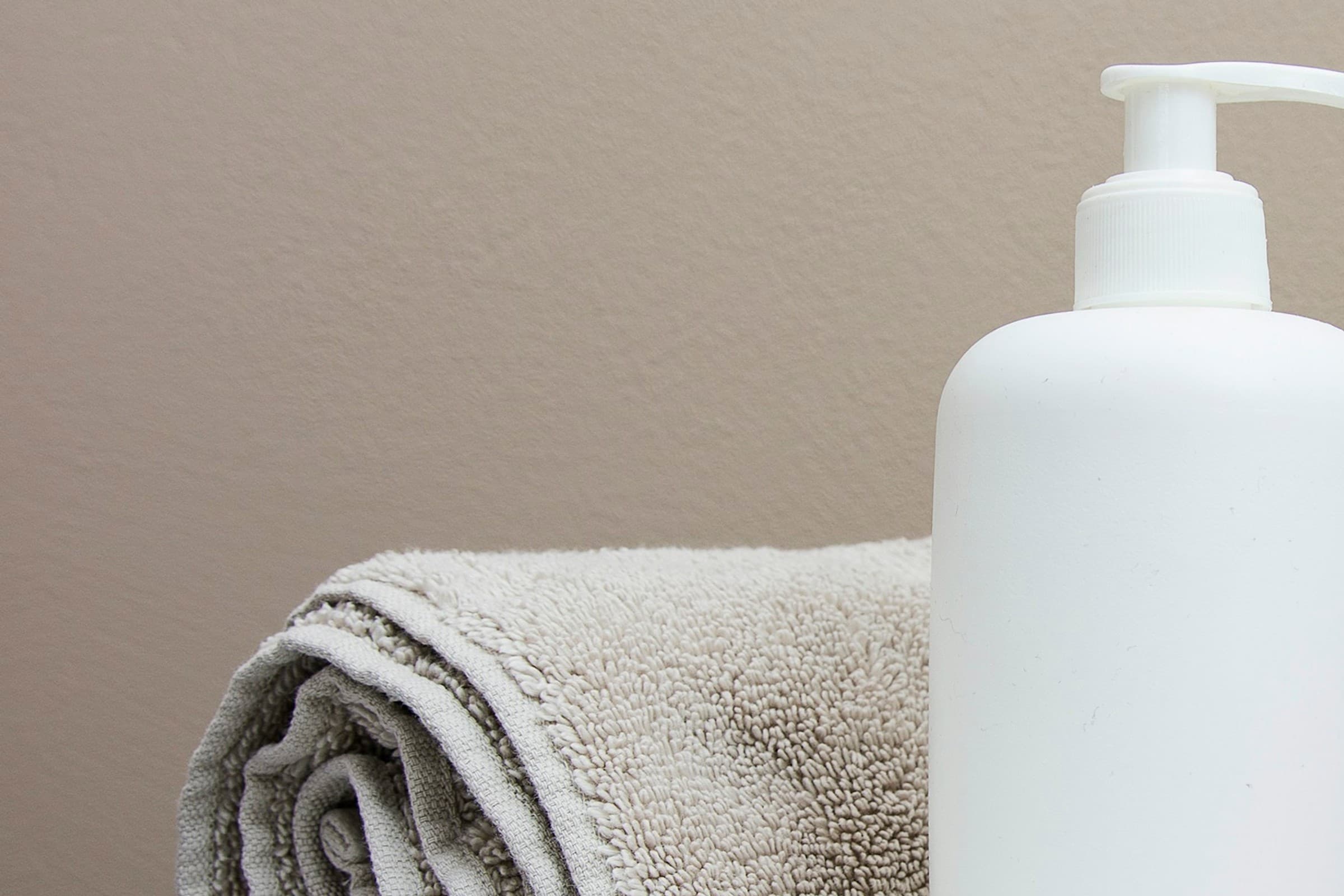
Bathrooms teach the lesson cleanly. Stone and glass show every excess. A shelf with three simple vessels reads as intention; a crowded tray reads as undecided shopping. Morning water, a towel that has been allowed to dry fully, a single oil or soap that does not cling to the steam for hours — these are finishes. They ask nothing of a guest except that the room feels ready.
Reading scent the way one reads a complication on the wrist — with attention to how the parts sit together — keeps vanity from becoming the subject. Anatomy of a complication is about mechanism and proportion; fragrance in a house is about the same virtues at another scale. Balance matters more than novelty. A note that ages with the day is more useful than one that peaks in the first minute and then turns sharp.
Bedrooms want the softest hand. Whatever remains in the air at midnight will be breathed for hours. Heavy florals and loud woods belong elsewhere, if they belong at all. Cotton, a trace of clean skin, perhaps a wardrobe that smells faintly of cedar — enough to mark the threshold between day and night, not enough to become a character in your sleep. Partners negotiate this layer as carefully as they negotiate light.
Travel tests whether your finish is portable or merely decorative at home. A strip of cloth, a soap you already trust, the refusal to accept a hotel's default aerosol as inevitable — small defences that keep the body oriented. You are not recreating a boutique; you are protecting continuity. Arrival often needs less scent, not more, until the room's own air has been claimed by open windows and clean water.
Houses that entertain learn another boundary. Guest rooms may carry a lighter version of the household's register so visitors feel received without being branded. Common rooms should not trap anyone in a cloud they cannot leave. Dining spaces especially: food has its own finish, and perfume that competes with it is a failure of manners as much as of design.
Season changes the formula without changing the principle. Summer air carries farther; winter rooms hold notes longer against closed windows. What felt invisible in July can feel insistent in January. Attention to that shift is part of keeping a house — like rotating textiles, like adjusting shutters. Scent is climate work.
What you want, in the end, is a memory of place rather than a memory of packaging. Years later you recall a staircase that smelled of wood and rain, a bath that smelled of nothing but clean heat, a drawer that opened onto linen and a faint citrus that never shouted. Those are finishes. They were chosen, maintained, and left alone long enough to become architecture. The bottle, if there was one, was only a tool — never the subject of the room.
Key Highlights
Layer Like Plaster
Fragrance completes the surface; it does not interrupt the room with a speech.
Not a Product Story
The house smells like itself when notes settle into timber, linen, and stone.
Linen and Stone
Materials speak first; whatever is added only answers what the room still lacks.