
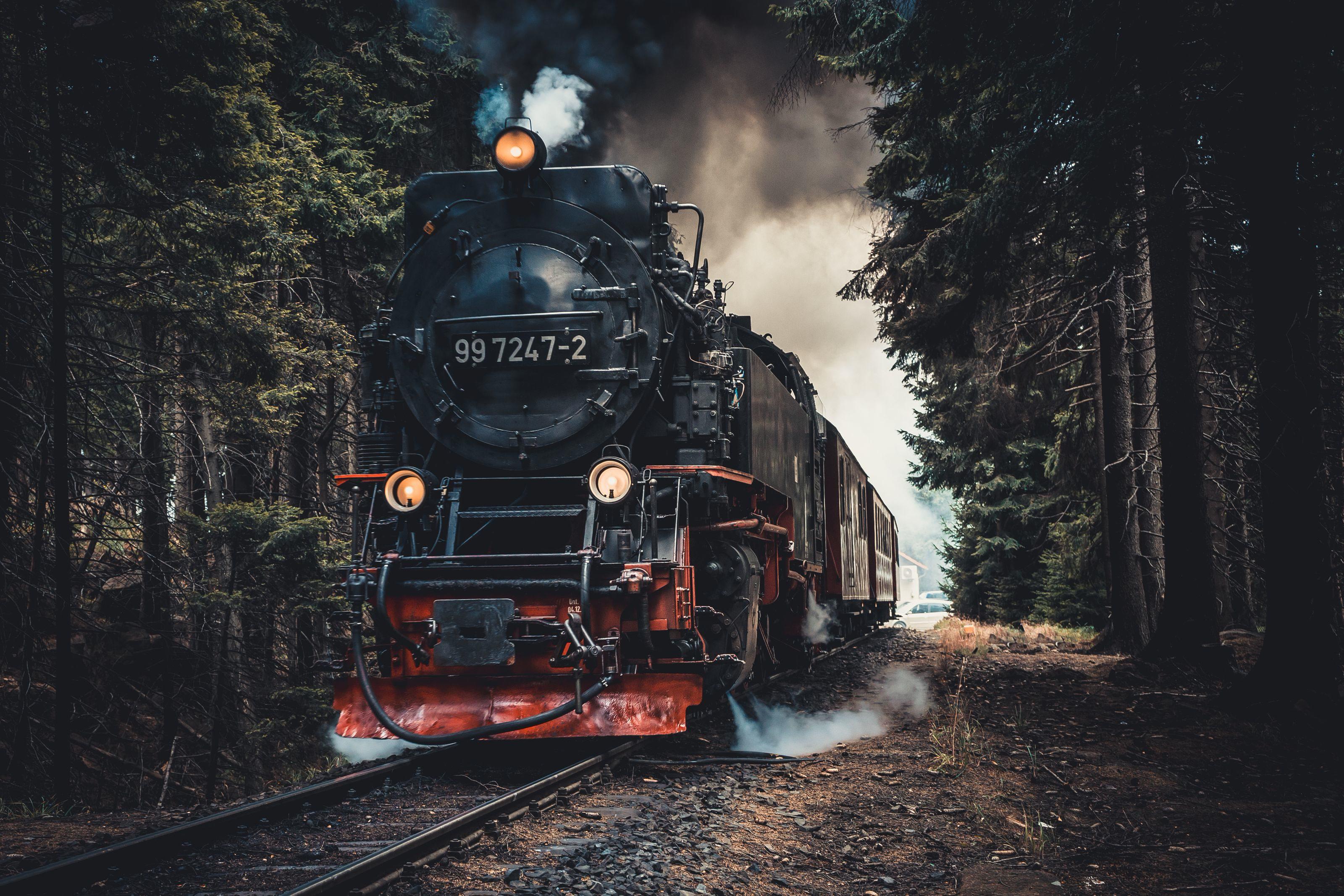
After midnight the carriage changes register. The attendant’s shoes sound farther apart. Doors stay shut. Outside, platforms appear as brief rectangles of sodium and then fall away, the way Kyoto’s blue hour returns a lane to itself before the lanterns take over. You are moving, but the room you inhabit is still: a berth, a lamp you can dim, a table that holds a glass without sliding.
Overnight rail is not nostalgia. It is a choice about how distance is crossed when airports have become theatres of urgency. The train keeps a corridor etiquette that feels closer to a private house than to a lounge: voices drop, bags stay under seats, the person across the aisle does not need your itinerary. What matters is the continuous line — steel and night — and the permission to arrive without having performed departure.
Packing for this hour is closer to soft tailoring for the road than to cabin-luggage theatre. Cloth that does not crease into a story. Shoes that can walk a quiet platform at dawn without looking dressed for a photograph. A book that can be finished or abandoned. The carriage rewards what does not demand attention.
Some routes climb toward morning the way an alpine morning begins before the valley wakes: cold glass, a pale ridge, coffee that tastes of the first stop rather than of a brand. You do not need the names of every town. You need the sense that the night was used well — sleep broken only by a soft brake, then resumed — and that the day will meet you already in motion.
There is a politics of noise here. Headphones stay optional. Children, when present, learn the corridor’s hush faster than they learn any airport queue. Couples share a single lamp. Solo travellers keep the blind half-lowered so the night remains a partner rather than a show. The luxury is not a suite badge. It is the absence of an audience.
The attendant’s tea arrives at an hour that does not appear on any timetable card — a tray set down without ceremony, steam rising against the corridor’s amber glass. Somewhere a vestibule window has been left open a finger’s width; cold air and rail scent enter together, sharper than the carriage’s closed rooms. At dawn you walk a short platform where nobody sells anything: only a lamp, a timetable board still dark, and the quiet of people who arrived by night. The taxi that waits does not need to rush. The train has already done the honest part of the journey — distance crossed while the cities slept, without asking you to perform departure.
The work is negative as much as positive: which hour to refuse, which room to leave empty, which finish to leave unmarked so the hand can find it later without a label. Nothing here asks to be booked or ranked. The measure is whether the place, the object, or the hour still feels like itself when nobody is performing for a camera.
That standard travels across sections of the journal. A harbour that keeps its own hours, a cellar without a speech, a road without an audience — each is a cousin of the same refusal of noise. What remains, after the list is discarded, is judgement: temperature, proportion, silence where silence belongs, and the discipline to stop when the evening or the machine or the room has already said enough.
Key Highlights
Corridor Light
The hour belongs to the carriage, not to the timetable board.
Cities Without Arrival
Stations pass as intervals of glass, not as performances.
Cloth for the Night
What you wear should survive the long dark without announcing travel.
Explore more
Travel
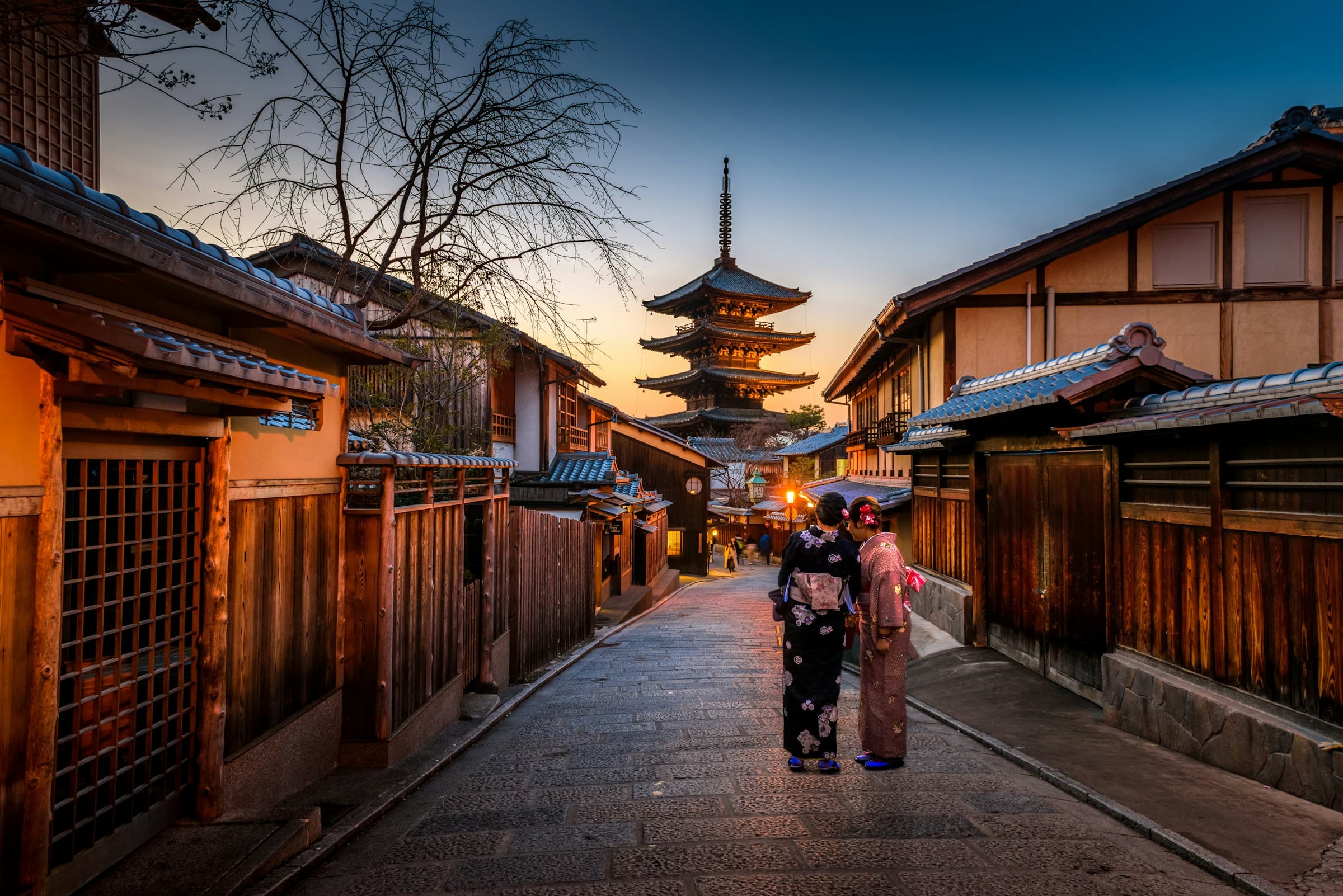
Kyoto at Blue Hour
When the lane returns to itself — blue hour as a private city interval before the lanterns take over.
Travel
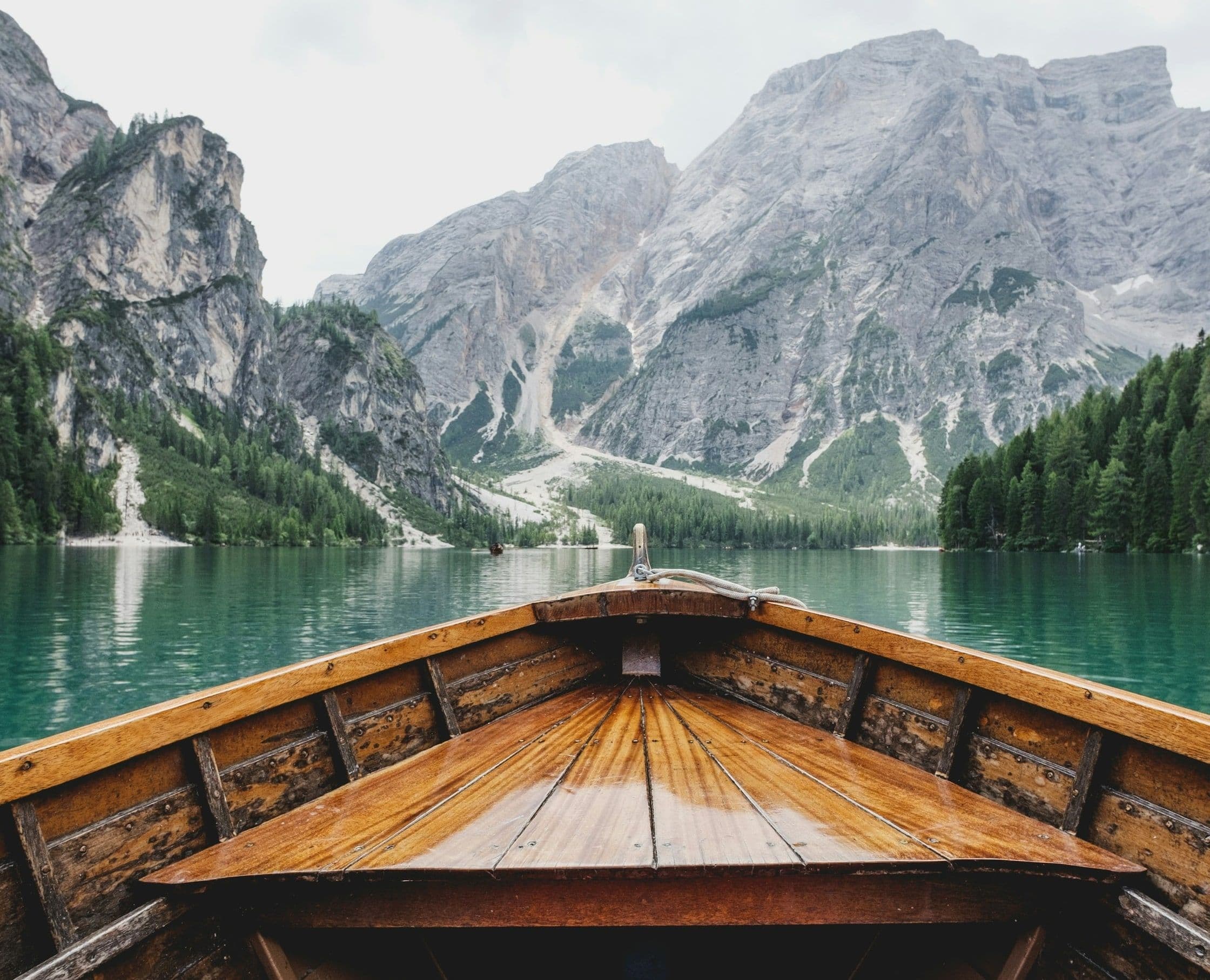
An Alpine Morning
Cold air, empty road, and a climb that begins before the valley has fully woken.
Style
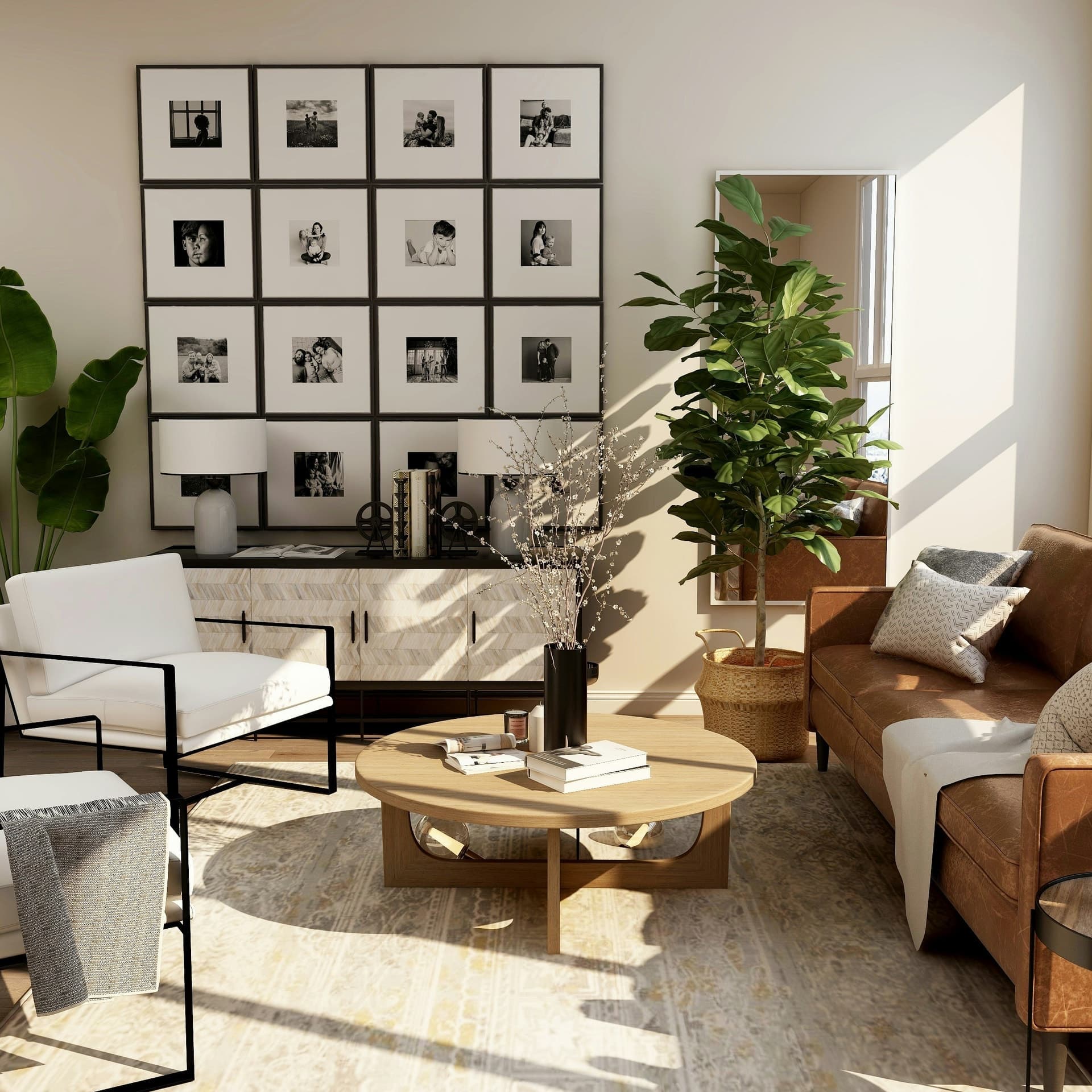
Soft Tailoring for the Road
Cloth cut to move through airports and long cabins without looking packed for either.