Glass Before the Fire
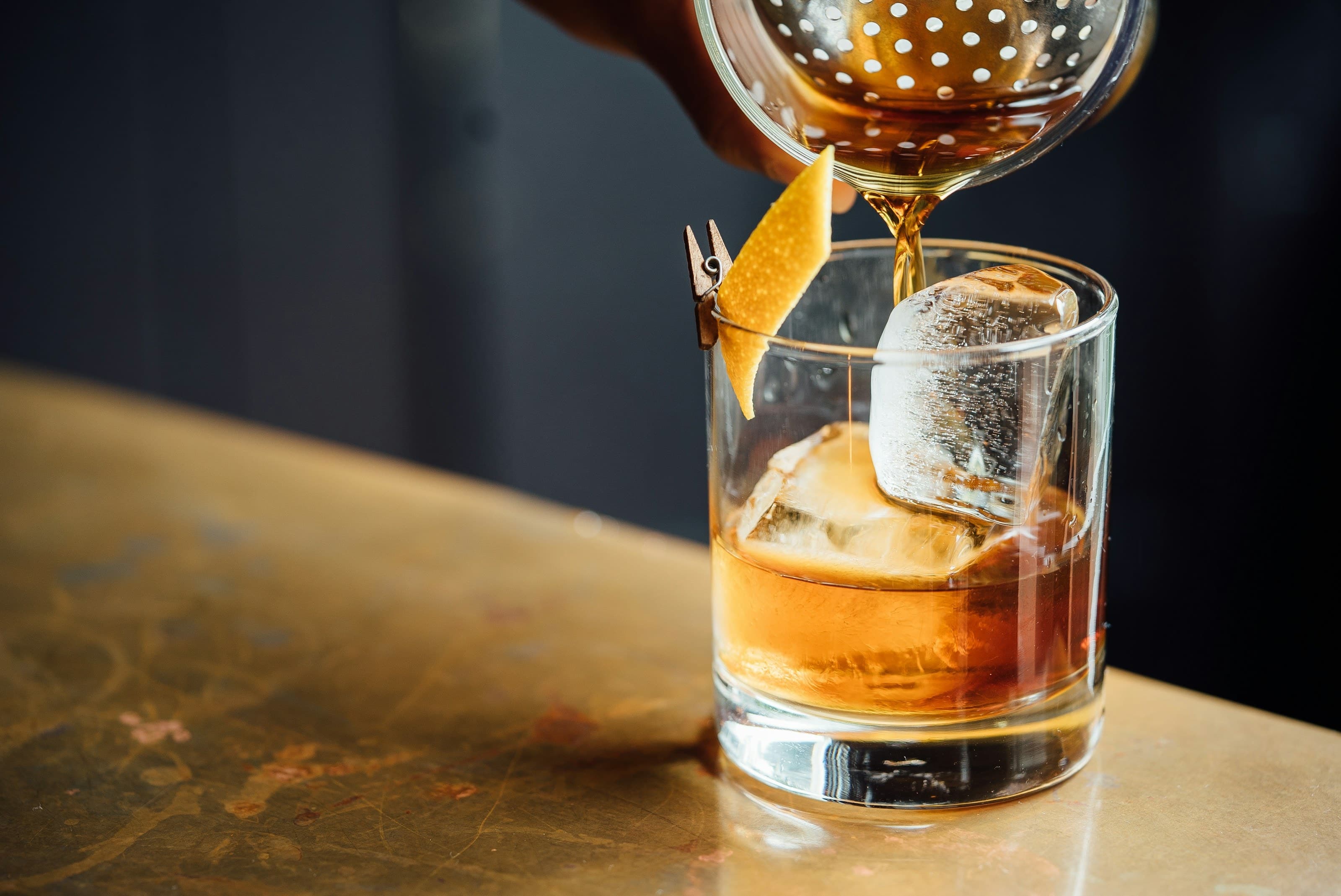
A short glass beside a fire is companionship, not agenda. The pour is modest; the heat does most of the talking. You sit because the room asks for sitting — timber, stone, a grate that holds a steady flame — and the drink arrives as a second warmth in the hand. Nobody needs a tasting theatre. The evening has no programme beyond staying near the fire until the body agrees that the day is finished.
Companion, not point: that distinction keeps the hour honest. When the glass becomes the event, conversation turns into evaluation and the fire into backdrop. When the glass stays secondary, talk can wander, silence can settle, and the liquid simply keeps pace. A refill is optional. Leaving half an inch unfinished is allowed. The room, not the bottle, sets the length of the night.
Heat beside glass changes flavour without requiring commentary. Warm air softens edges; cold drafts from a door sharpen them. You notice without announcing. The same spirit that tasted strict in a bright kitchen tastes rounder here, and that is enough knowledge for the hour. Over-explaining a pour beside a fire is a habit imported from rooms that sell education. At home education can wait.
This hour often follows the late table, or replaces a long dinner when the day has already asked enough. Plates may still be in the sink; someone may still be laughing in another room. The fire gathers whoever is ready to stop moving. The glass is the quiet signal that the gathering has changed register — from meal to linger, from hosting to being hosted by the house itself.
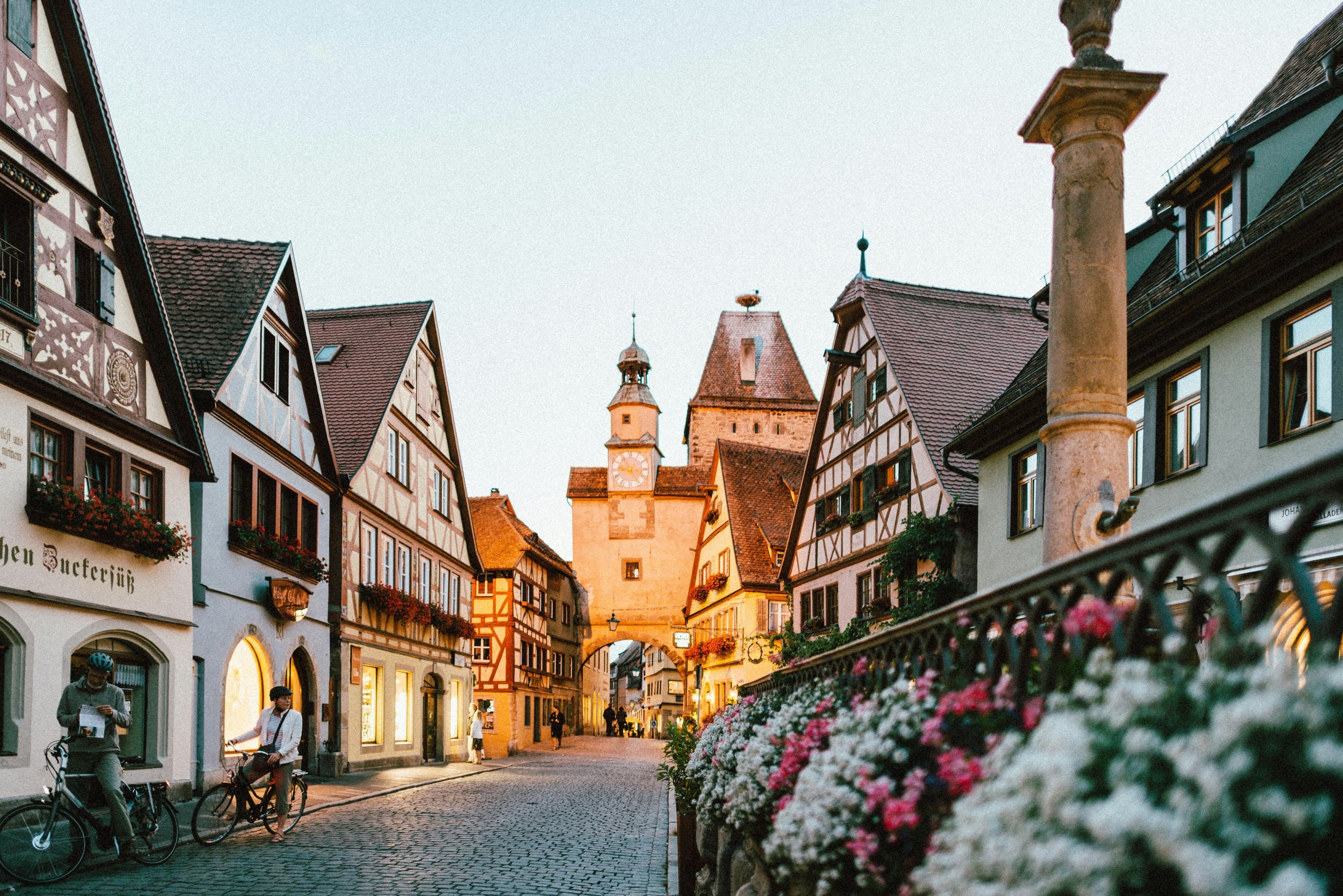
Alpine evenings understand the pattern instinctively. After a day on snow or a drive up to chalet hours above the tree line, the body wants heat before it wants narrative. Shutters closed, boots drying, a short pour that does not demand a clean palate for a future course. The drink is part of the climate the chalet makes: timber against cold, flame against fatigue, a glass that asks nothing except that you stay seated a while longer.
Measure matters. A tall glass invites a longer commitment than the fire may need; a short one matches the gesture. Spirits, fortified wine, a bitter without alcohol — the category is less important than the scale. Guests who do not drink still belong in the circle with something warm in a cup. Exclusion at the hearth is colder than any weather outside. The point is shared temperature, not shared proof.
Furniture around the fire should face the heat without forming a stage. Chairs angled for talk; a low table for the bottle and the water; space enough that someone can leave without a speech. Screens stay dark. Music, if any, stays below the crackle. The fire provides the room's soundtrack and most of its light. Adding too many competing sources turns companionship back into production.
Safety is part of hospitality here, not a footnote. Screens on the grate when the house holds children; ashes handled before sleep; a window cracked if the room grows close. Care for the fire is care for the people who trust it. The glass does not excuse inattention. If anything, the calm of the hour makes negligence more visible when it happens.
Travel packs the same ritual into unfamiliar rooms. A hotel hearth, a rented house with a stove that finally draws, a friend's fireplace after a wet walk — each can hold a short pour if you refuse to turn it into content. No photograph of the amber against the flame is required. The memory will be the heat on your shins and the sense that the evening found its level without needing a plan.
What remains afterward is simple: ash settled, glasses rinsed, the room cooler by a degree. You will not remember the label as clearly as the fact that nobody hurried the hour. The drink was companion; the fire was the point; the evening needed no agenda beyond that pairing. In a life crowded with programmed nights, a glass before the fire is how a house reminds you that lingering is still a skill.
Key Highlights
Companion Not Point
The pour keeps pace with the room; it does not become the evening's subject.
Heat Beside Glass
Flame softens the hour; the drink only has to agree with that warmth.
Evening Without Agenda
Staying seated is the whole programme once the fire has gathered the household.