Jewellery Kept Close
Jewellery kept close is metal that never asks the room for an audience. It sits against the skin where only the wearer feels its temperature change, where a chain warms to the pulse, where a small stone catches light only when the hand turns for some other reason. Spotlight jewellery performs. Close jewellery remains. The difference is not always size. It is whether the piece was finished to be looked at from across a table or to be known by touch.
Against the skin, gold and platinum stop being catalogue metals and become temperatures. Yellow gold that is too bright can look like costume under evening lamps; a quieter alloy sits like a continuation of the wrist. White metals that are over-polished throw sparks with every gesture; a softer brush keeps the line without the flash. The private reading of jewellery begins here: not what the piece says in a case, but what it does when it has been worn long enough to stop being new.
Scale is a discipline of distance. A ring that looks modest in a photograph can dominate a hand in a quiet room. A chain that looks slight on a bust can disappear entirely under a collar — which is sometimes the point. Close jewellery often chooses to live at the edge of visibility: enough to confirm presence when the wearer glances down, not enough to become the subject of someone else’s glance. That edge is hard to hold. Designers who fear invisibility add volume. Wearers who fear volume remove the piece. The successful object finds the middle and stays there through years of ordinary light.
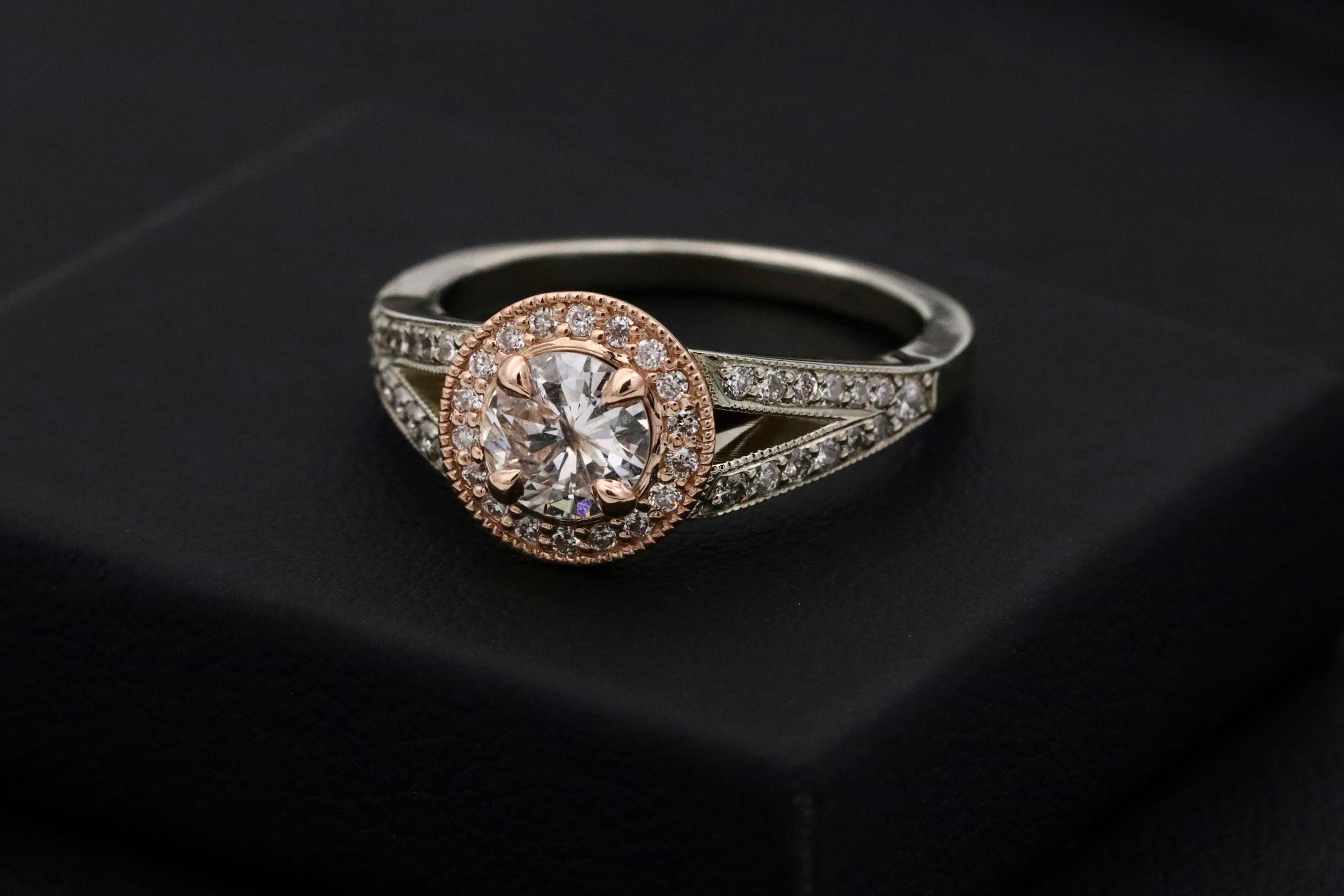
Stones, when they appear, should behave like punctuation rather than headlines. A small diamond that returns a point of light and then settles is different from a stone cut to throw a show. Colour stones that sit deep rather than loud keep their company with skin and cloth. Settings that catch on fabric announce themselves every time a sleeve is pushed back; settings that sit smooth disappear into the day’s gestures. Close jewellery refuses to interrupt. If it snags, scratches, or demands constant adjustment, it was finished for a different life.
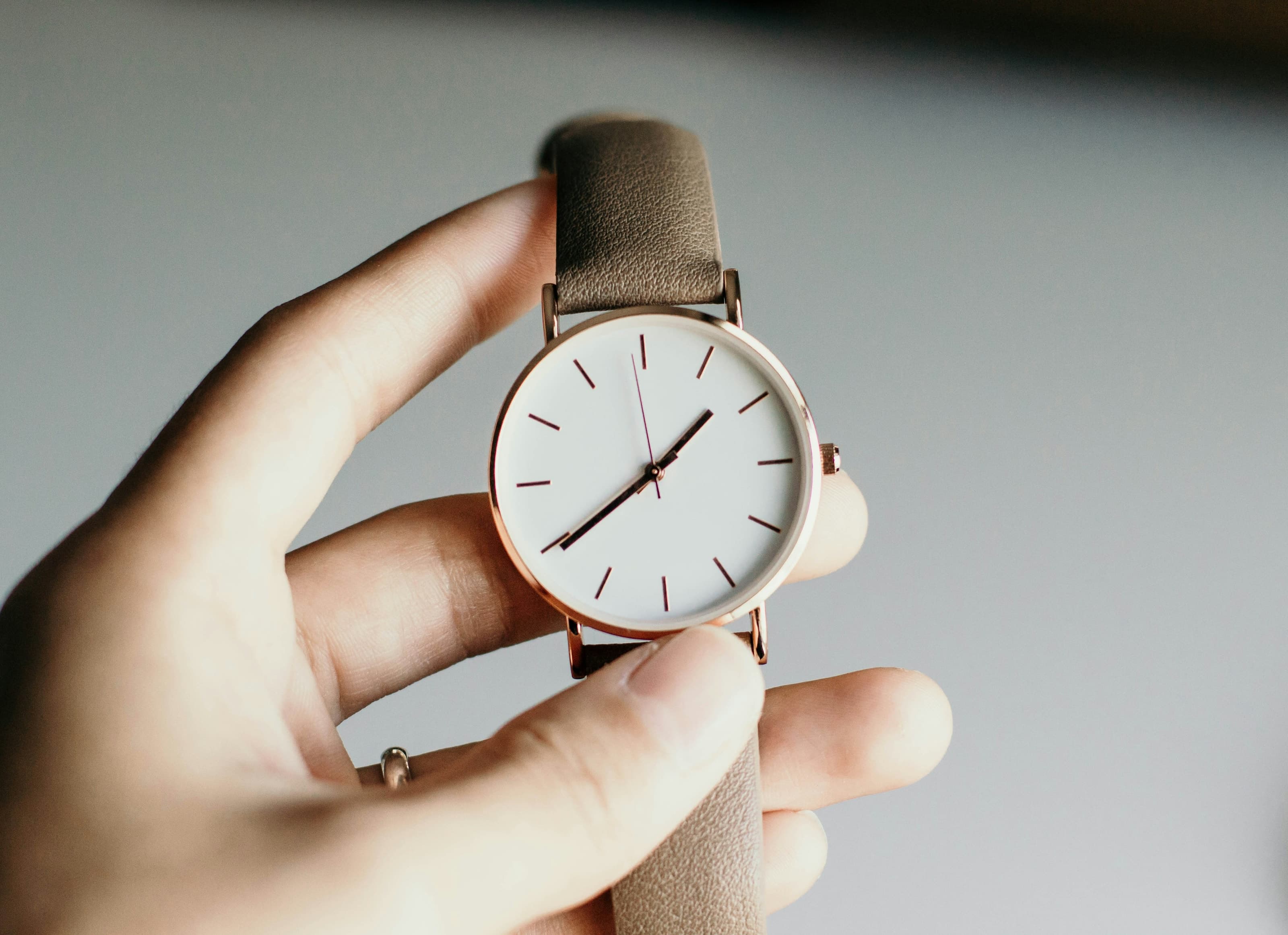
There is a kinship with dials that declare themselves only when the surrounding light falls away — the same ethics of restraint that shapes metal against the dark. Jewellery and watches both fail when they are designed for the lamp rather than for the hour. A bracelet that flashes beside a calm dial breaks the wrist’s composure. A chain that lies quiet beside a brushed case keeps the composition intact. Private metal agrees with private metal.
Rooms matter as much as pieces. Jewellery kept close belongs in interiors that do not compete — places closer in spirit to rooms that soften than to halls arranged for display. Low light forgives and reveals: it shows whether a surface was overworked, whether a clasp was left crude, whether the piece can hold its line without help from a spotlight. Harsh light turns quiet metal into something thin and anxious. Soft window light tells the truth about weight and finish.
Inheritance changes the reading. A piece that arrives with someone else’s years already in the metal does not need to announce itself as special. The soft corners of a bezel, the slight oval of a ring worn thin on one side, the chain link that has learned a particular hollow of the neck — these are finishes no workshop can fake honestly. New close jewellery should aim for the same destiny: to become, eventually, something that looks kept rather than shown.
Sound is an underrated test. Bracelets that chatter with every step turn the wearer into a metronome. Rings that knock against glass at every meal become a habit other people notice before the wearer does. Quiet jewellery is nearly silent. When metal meets metal, it does so softly, or not at all. That silence is not austerity. It is consideration for the room and for the people who share it.
Putting jewellery on is a morning decision that should not feel like staging. The piece that is chosen almost without thought — because it belongs to the hand, because it has been worn through enough days to feel necessary — is the piece that was finished correctly. The piece that requires a mirror and a second opinion is still auditioning. Close jewellery ends the audition. It becomes part of how the day is carried, as ordinary and as particular as a preferred sleeve length.
What remains is a private inventory of temperatures and weights: the chain that settles by midday, the ring that no longer needs checking, the small stone that appears only when the light is kind. That inventory is the opposite of a showcase. It is a life with metal that never asked to be the evening’s subject, and somehow still marks the hours that mattered.
Key Highlights
Against the Skin
Metal is judged as temperature and weight, not as a catalogue finish under a lamp.
Private Reading
The piece is known by touch and by a glance downward, not by a room asked to look.
No Spotlight
Quiet jewellery holds its line in soft light and refuses to interrupt gesture or speech.