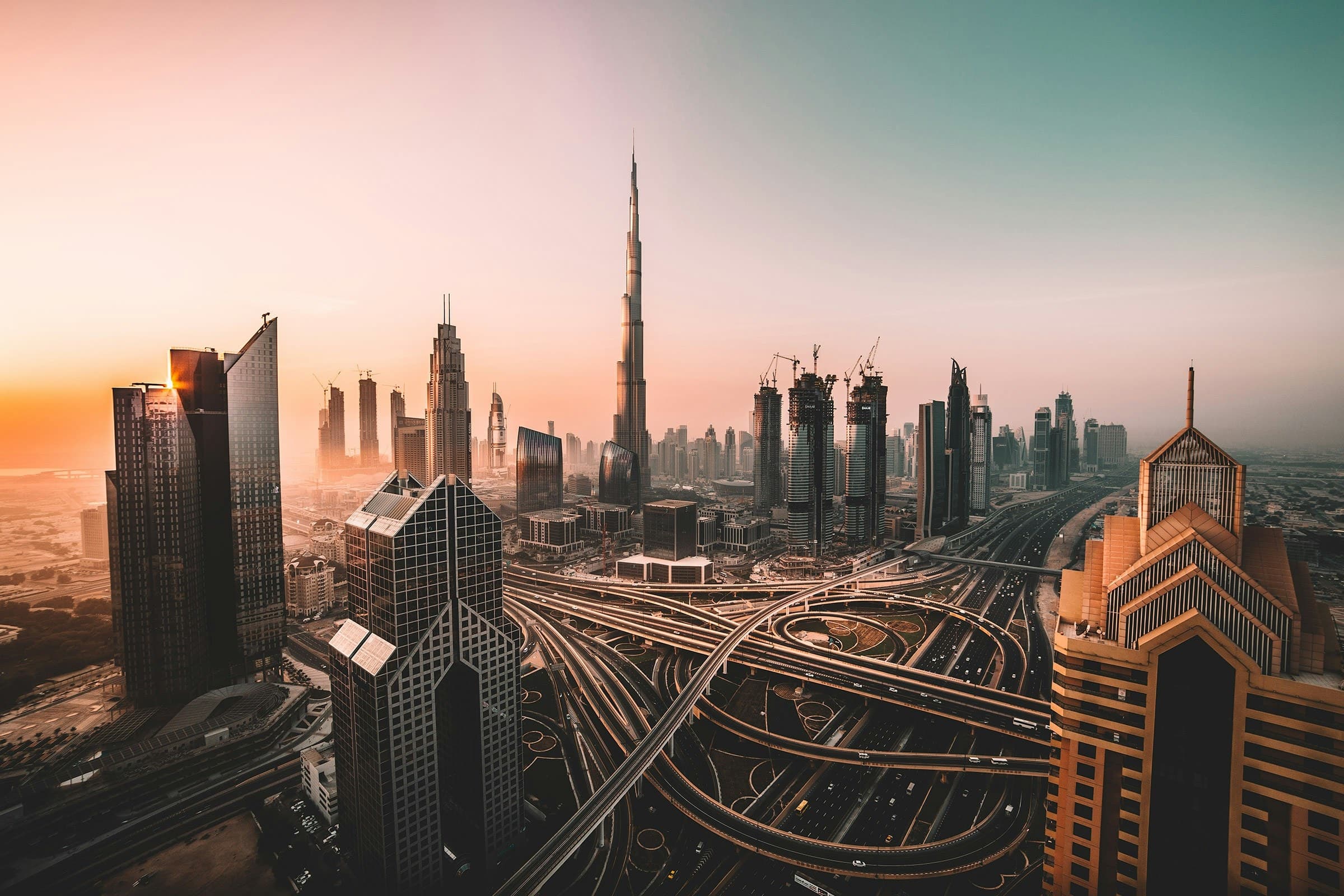
Sky-High Living in New York
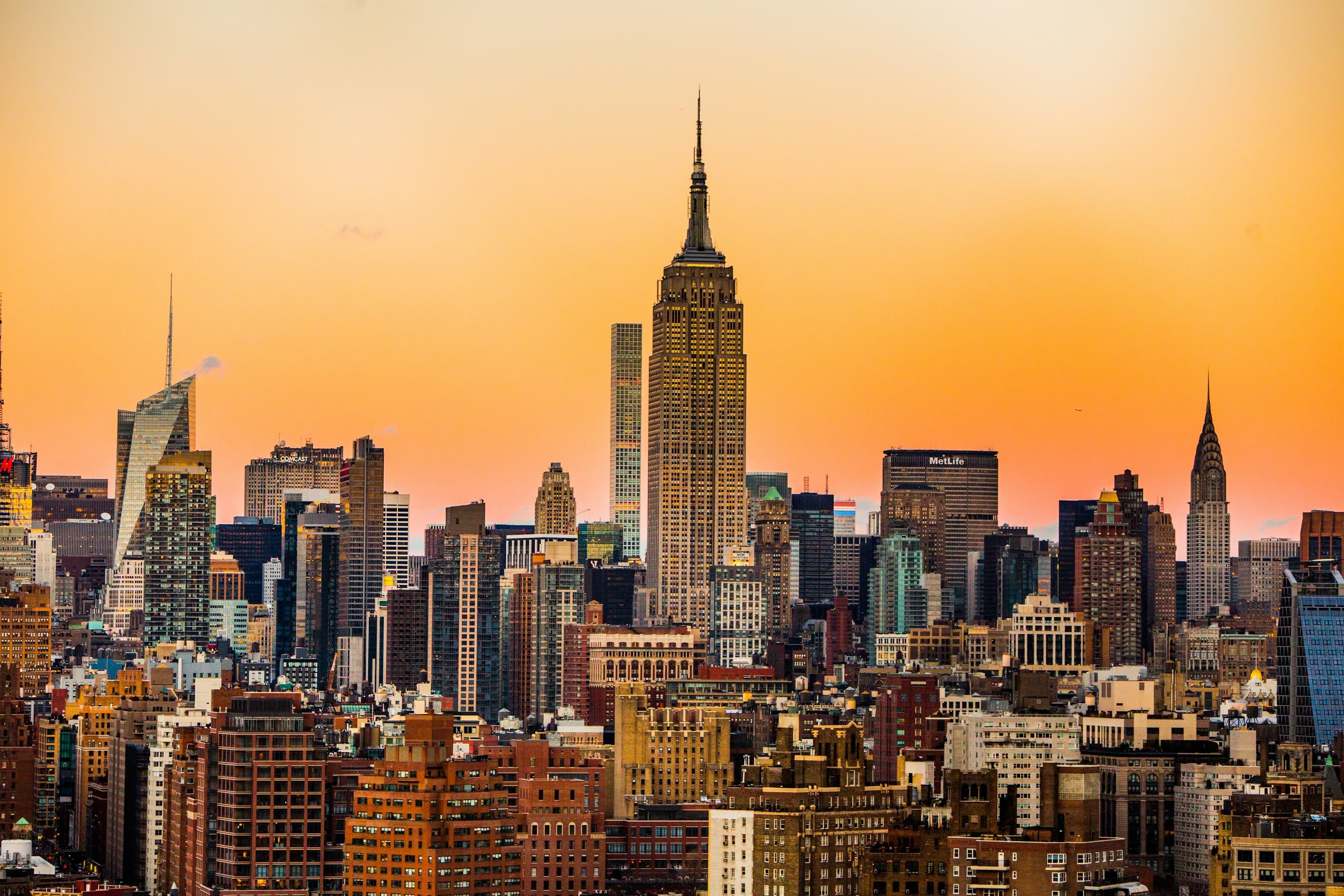
Above a certain floor, New York becomes a garden of towers. The street is a rumour. Sirens, delivery trucks, the constant negotiation of pavement — all of it thins until it reads as texture rather than interruption. What replaces it is horizon: bridges, water, a grid of rooftops that suddenly makes sense from altitude.
Light arrives later up here and leaves across the river in bands of colour the lobby never sees. Morning may still be shadow while lower floors have already begun their day. Evening comes early to the living room and stays long after the avenue has turned to headlights. That delay is not inconvenience; it is part of why the height was chosen.
A penthouse at that height is planned around the horizon, not the lobby. Rooms face the skyline the way a villa faces the sea — with intention, with a sense of which wall should carry glass and which should carry books. Corridors are short. Public rooms are few. The plan assumes guests will stand at the window before they sit, and that the view is not an amenity but the primary material of the home.
Privacy at altitude is a paradox solved by elevation itself. You are visible from other towers, yet anonymous to the street. The city sees your silhouette; it does not hear your conversation. Good penthouses learn which shades to draw at which hour, which terrace corners remain unseen from neighbouring glass, how to live in panorama without performing for it. Discretion becomes a matter of angles.
Construction at this scale is its own discipline. Floors must carry weight without tremor. Glass must quiet wind without dulling clarity. Service entries, freight elevators, and the quiet choreography of staff all exist to keep domestic life separate from the building’s public machinery. When it works, residents feel as if the city ends at their door — even though they are standing inside its most visible profile.
Interiors tend toward calm because the exterior is already loud with meaning. Materials that age well — stone, brushed metal, fabrics that do not compete with sunset — hold the room together when the view is doing the rest. Art, when present, is chosen to live with light that moves. Kitchens are real rooms, not props; at this height, dining in is often preferable to joining the queue below.
Seasons are read differently from above. Snow softens the grid. Summer haze turns distance into layers. Storms approach as weather you watch before you hear, a privilege of being inside the cloud line’s theatre. The city’s energy is still present, but it is translated into movement and light rather than noise — a translation that defines sky-high living as distinctly New York.
Neighbours in the same building may never meet, yet share an address that means something in every capital. That shared recognition is part of the residence: you are not only above the street but within a small cohort of homes that were planned for people who intend to stay. Turnover exists, but the best floors develop a memory — of how rooms were used, of which hours mattered, of how the skyline looked the year the river froze or the year it did not. Elevators at that tier learn your rhythm the way a country lane learns your car — without commentary, with the quiet assumption that you belong to the building’s upper hours.
At night the view inverts: you look down on a field of lights that replaces foliage elsewhere. The city remains. It is simply no longer at the door. What you keep is distance with proximity — the whole metropolis in sight, the whole evening in hand, and the sense that for once New York has been arranged to serve a single room rather than the other way around. Even sleep feels different when the grid is visible through glass and silent at the same time.
Key Highlights
The Horizon as Garden
Rooms are planned toward the skyline the way coastal villas face the sea, with glass chosen as carefully as stone.
Light That Arrives Late
Evening crosses the water and climbs the grid before it reaches the floor, lengthening the day in quiet bands of colour.
The City, Held Off
New York stays in view from altitude while street noise thins to a rumour outside the door.