The Bay Left Open
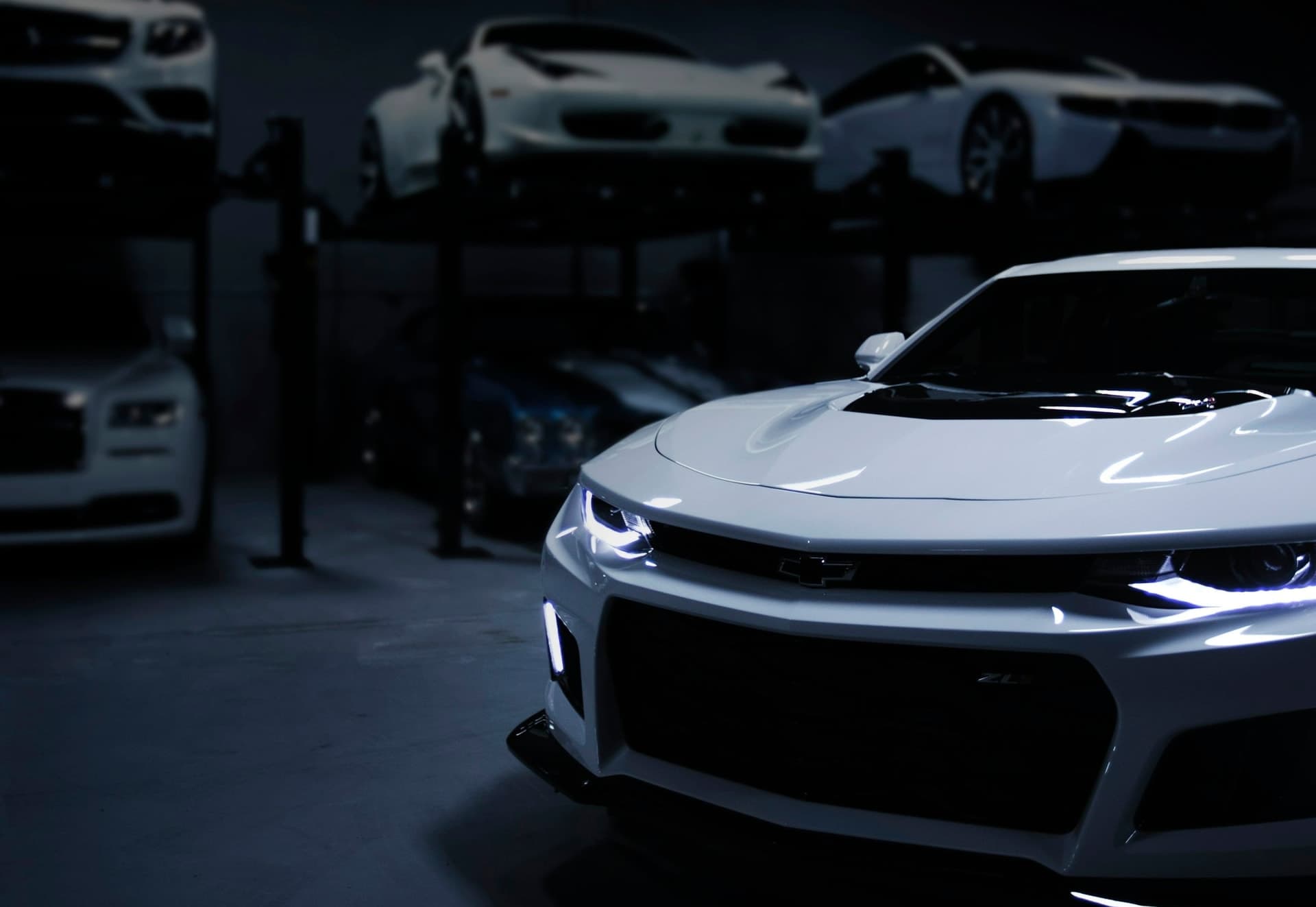
A bay left open is not an invitation to look. It is space held for departure — tools put away, floor clear, the car already facing the hour it will need. Display fills a room with objects arranged for other people’s eyes. Ritual fills it with readiness. Before dawn, those two intentions cannot be confused. One asks for applause. The other asks only that the door rise quietly and the machine leave without stumbling over yesterday’s clutter.
The garage before first light has its own temperature and smell: cool concrete, a trace of oil that is maintenance rather than neglect, leather that has not yet taken the day’s heat. That atmosphere sits next to what we have named the garage before dawn — preparation without speech, a machine woken as companion rather than exhibit. The open bay is simply the architecture of that hour: one space kept, nothing staged.
Craft shows in what is absent. No cover thrown for theatre, no row of trophies catching the strip light, no spare parts left as proof of seriousness. What remains is usable — a torch that works, pressures already set, a windscreen clear, keys where the hand expects them. The car’s cabin continues the same ethic. Soft leather that will take the wrist and the journey without announcing a brand belongs to the same quiet family as leather that travels quietly: finished to age with use, not to perform at the threshold.
Sound in an open bay is honest. A door closed for a final check, a seatbelt found by touch, the first turn of the motor before the neighbourhood wakes. Anything that rattles here will rattle louder on the road; anything that sticks will stick when there is no time for patience. The ritual is therefore a last conversation with the machine while it is still at rest — listening, not polishing for a photograph that will never be taken.
Space without display also means refusal. Refusal to park the daily car across the nose of the one that must leave early. Refusal to treat the bay as storage for seasons that are not this one. One bay kept is a decision about priority: the machine that earns the dawn hour gets the clear path, the charged battery or the full tank, the seat already set for the driver who will take it. Continuity begins the night before.
Light in the garage should be enough and no more. A single strip or a lamp that does not bleach paint or wake the house. Early light from the open door is better than a showroom blaze. Eyes need to adjust toward the road’s dimness, not recover from glare. The same courtesy that dims a cabin for night driving begins here, in the bay, before the first kilometre.
Owners who collect seriously often describe the same small relief: the morning when nothing has to be moved, explained, or forgiven before the journey starts. That relief is engineered by habit. Covers folded, floors swept, a place for the bag that will ride behind the seat, a check of the weather that does not become a delay. The open bay is the visible edge of invisible discipline.
There is ethics in keeping readiness private. A garage staged for guests turns the car into furniture. A garage kept for departure turns it back into a partner for surface and distance. When the door finally rises and the cool air meets the cabin, the test is whether the first minutes feel like continuation rather than scramble. If yes, the bay did its work without needing witnesses.
Return is part of the same ritual. The bay receives the car without clutter rushing back in — bag set down, a quick listen while the metal cools, the nose left ready for the next early hour. Continuity cuts both ways. An open bay that only works for departure and collapses into storage by evening has only half-learned the discipline.
After the car is gone, the empty bay should still look like intention — not abandonment. Space held, tools quiet, the outline of where the machine waits to return. That emptiness is not lack. It is the shape of a ritual that understands display as noise and dawn as the only appointment that matters.
Key Highlights
Space Without Display
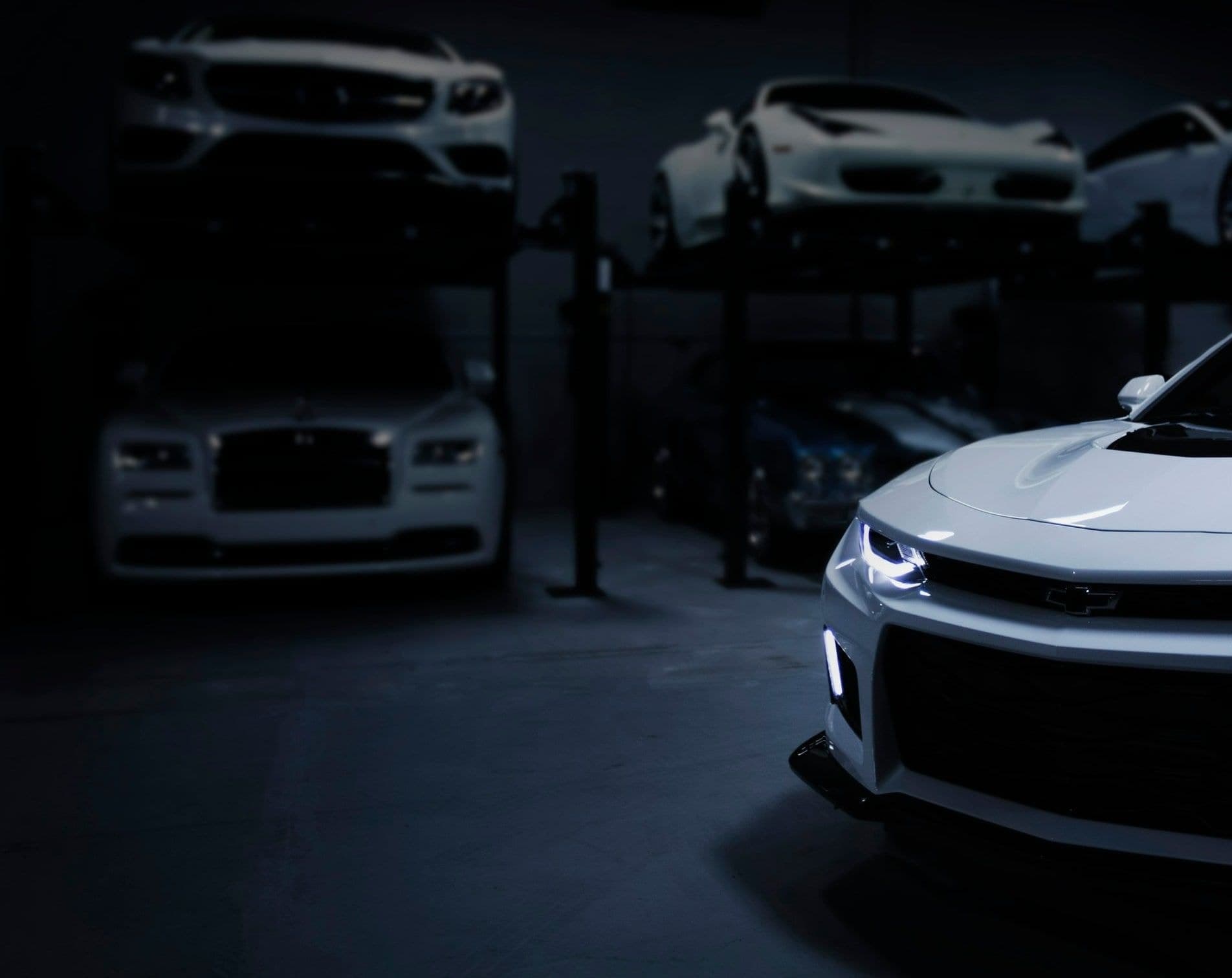
The bay is cleared for departure, not arranged for other people’s eyes — readiness over theatre.
Before Dawn Ready
Pressures, path, and cabin are settled the night before so the first light meets continuity, not scramble.
One Bay Kept
Priority is architectural: the machine that earns the early hour gets the clear floor and the quiet door.